UVB-76
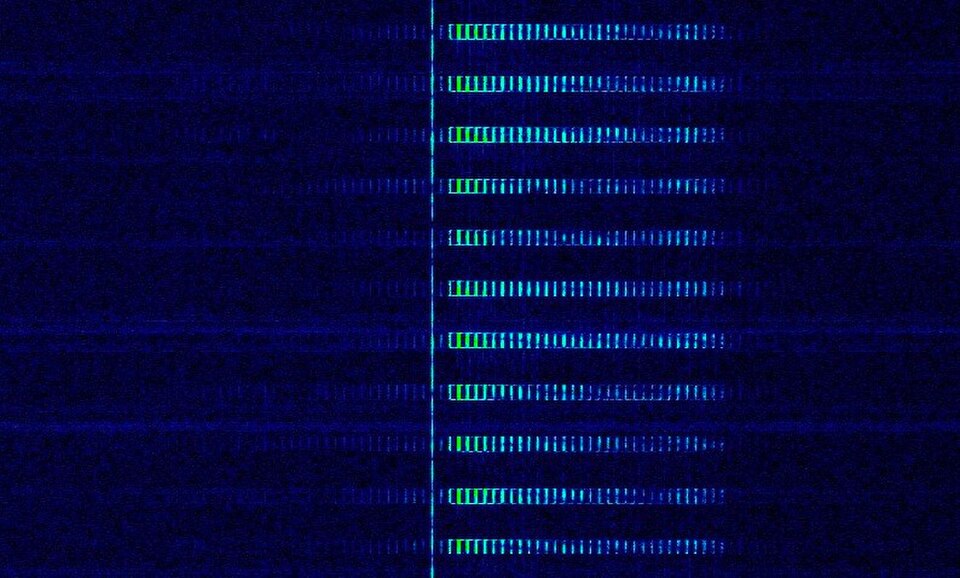
The Logged 4625 kHz 'Buzzer' Signal
Forgotten Mysteries · 2011
Archived on
Associated With
Unknown - associated person or organisation not established
Defining Feature
A signal monitored on 4625.0 kHz with a marker sound and intermittent Russian voice traffic
Status
Unresolved - Documented in the retained 2011 monitoring logs; origin, operator, purpose and present status are not established
Overview
UVB-76 is a listener label for a shortwave signal monitored on 4625 kHz and also identified as The Buzzer and S28.
The retained May 2011 log records an AM voice message using the callsigns KZJT and LNR4. The June log records several Russian voice messages from 'MDZhB' to named recipients.
The logs document a marker sound and intermittent Russian voice traffic, but they do not establish the signal's origin, operator, purpose or present status.
Why It Mattered
The retained 2011 logs preserve monitor observations of a marker sound and intermittent Russian voice traffic on a publicly receivable shortwave frequency.
Their value is evidential rather than explanatory: they record times, identifiers and reception details while leaving the signal's origin, purpose and present status unresolved.
Frequency and label
- Both retained logs place the monitored signal at 4625.0 kHz.
- The magazine identifies it with the listener labels 'The Buzzer,' S28 and UVB76.
Logged voice traffic
- The May 2011 log records an AM voice message at 1448 UTC with callsigns KZJT and LNR4.
- The June 2011 log records several Russian voice messages from 'MDZhB' to named recipients at three UTC times.
Evidence boundary
- The June observation was made through a remote receiver and attributed to monitor Ary Boender.
- The operator and purpose have never been officially acknowledged.
Sources & Records
- Monitoring Times — May 2011 Buzzer reception log — Records a 4625 kHz voice message and the KZJT and LNR4 callsigns; it does not establish the operator.
- Monitoring Times — June 2011 Buzzer reception log — Records Russian voice messages, recipient identifiers and remote-receiver observations on 4625 kHz.
Gallery
Credit
NBNBNB00000 / Wikimedia Commons; resized for display
Caption
A receiver waterfall display centred on 4625 kHz provides a visual reference for the frequency documented in the retained 2011 logs.