Closing-Credit Bloopers
The Final Comic Performance Hidden in Film Credits
Forgotten TV & Film · 1978–2010
Archived on
Associated With
Hal Needham - early populariser; Jackie Chan - signature practitioner; Pixar - producer of constructed animated bloopers
Defining Feature
Production outtakes or deliberately constructed mistakes shown during feature-film closing credits
Status
Ongoing - faded but still appears intermittently
Overview
Closing-credit blooper reels let film audiences see missed lines, laughter and failed stunts after the story.
They became a recognisable, though never universal, convention in certain comedies, stunt-driven action films and star vehicles. American examples appeared from 1978 to 1980, with Hal Needham an early populariser. The practice developed differently in the United States, Hong Kong and India; some reels used genuine mistakes, while others deliberately imitated them.
Most recognisable from the late 1970s through the 2000s, the convention faded rather than ended. Occasional later appearances show that it survives intermittently.
Why It Mattered
Its distinction was turning an administrative credit roll into one last comic performance. Viewers had a reason to stay seated and could leave laughing; genuine outtakes also revealed improvisation, production mishaps and the labour behind a polished scene. In Jackie Chan’s films, failed stunts, falls and visible injuries exposed the danger beneath the action spectacle. What has weakened is not recognition of bloopers themselves, but the expectation that a feature film might save them for its theatrical closing credits.
Early Feature-Film Examples
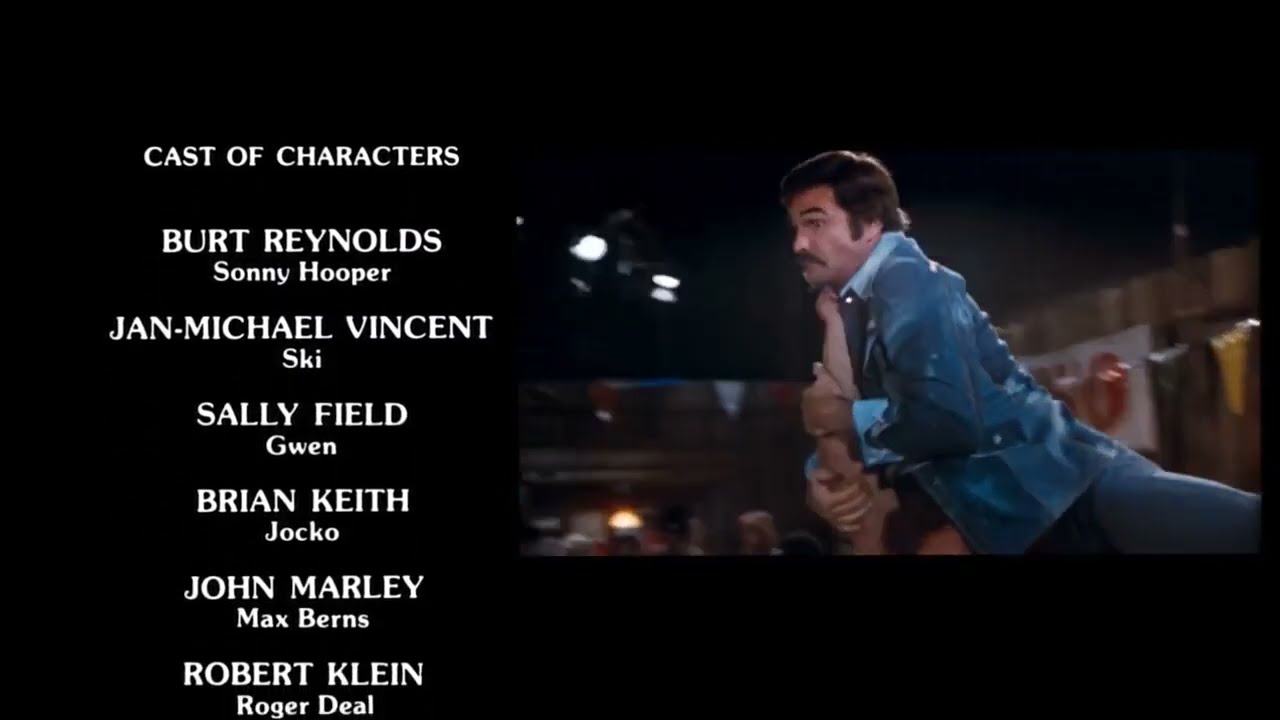
- Hooper (1978) used a hybrid closing montage dominated by repeated or alternate stunt footage, making it a precursor rather than a proven first blooper reel.
- Being There (1979) placed footage of Peter Sellers breaking into laughter beneath the credits, although plain credits replaced it for Cannes and some foreign distribution after Sellers objected.
- Smokey and the Bandit II (1980) presented actors blowing lines during the credits and is a defensible early example of the familiar format.
Authentic and Constructed Outtakes
- Authentic reels drew on missed dialogue, laughter, improvisation, collisions, unsuccessful stunts and injuries recorded during production.
- Jackie Chan made this material a trademark, using closing credits to show amusing mistakes alongside the physical risks behind his action scenes.
- A Bug’s Life, Toy Story 2 and Monsters, Inc. used scripted, voiced, rendered and animated mistakes designed to imitate live-action outtakes.
Fading Visibility and Survival
- By 2000–2003, bloopers and outtakes were established DVD selling points, providing an alternative home for the footage without proving that DVD extras caused the theatrical practice to fade.
- Narrative post-credit scenes and streaming interfaces that minimise or skip credits are plausible later contributors, but no single cause of decline is established.
- Approximately four minutes of bloopers were added to the end credits of the 2024 Tamil film GOAT, demonstrating intermittent survival.
Sources & Records
- Hooper — closing-credit montage — Shows film footage playing alongside the cast credits, providing an example of the early closing-credit montage discussed in the entry.
- Liar Liar — closing-credit outtakes — Illustrates the film’s use of performance footage beneath the rolling credits.
- Rush Hour — closing-credit outtakes — Illustrates the closing sequence’s side-by-side presentation of cast footage and production credits.
Gallery
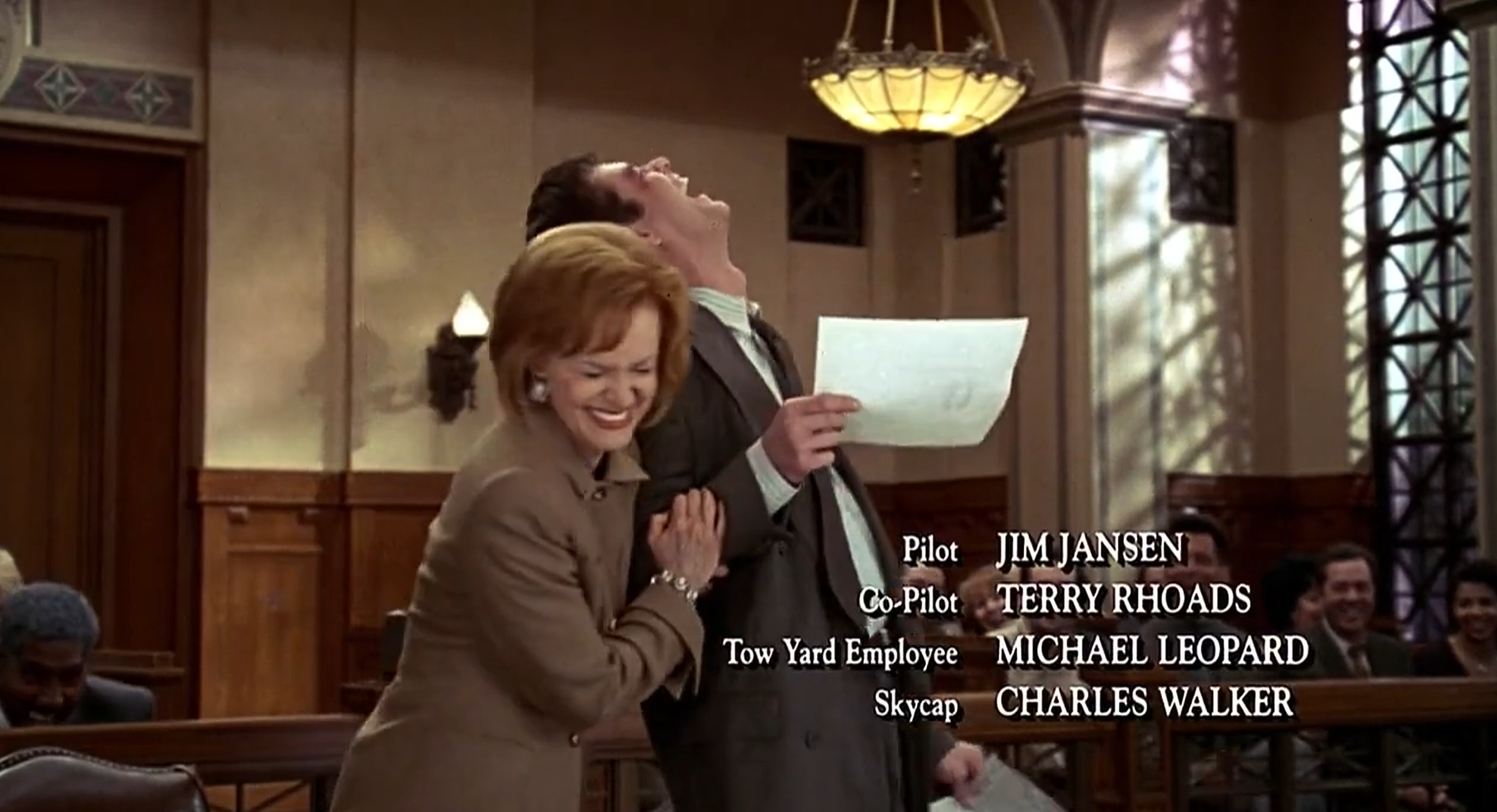
Credit
Liar Liar (1997) via Ximboz
Licence
Historical Ephemera
Displayed for commentary, criticism, research and historical documentation where permitted by applicable law. No permission for reuse is granted.
Caption
End-credit outtakes let the cast break character, turning a finished courtroom scene into a glimpse of the laughter behind it.
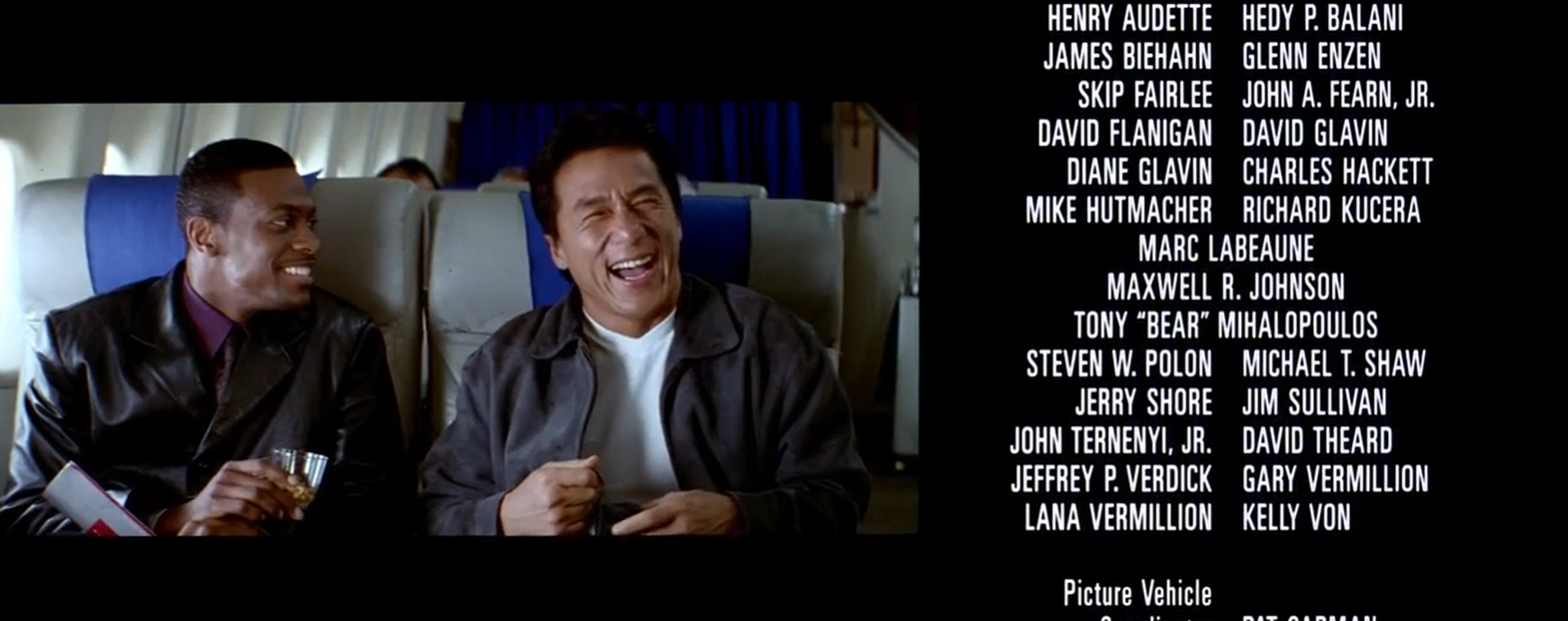
Credit
Rush Hour (1998) via Ximboz
Licence
Historical Ephemera
Displayed for commentary, criticism, research and historical documentation where permitted by applicable law. No permission for reuse is granted.
Caption
The credits share the screen with an aircraft-scene outtake, leaving room for the performers’ amusement after the story has ended.
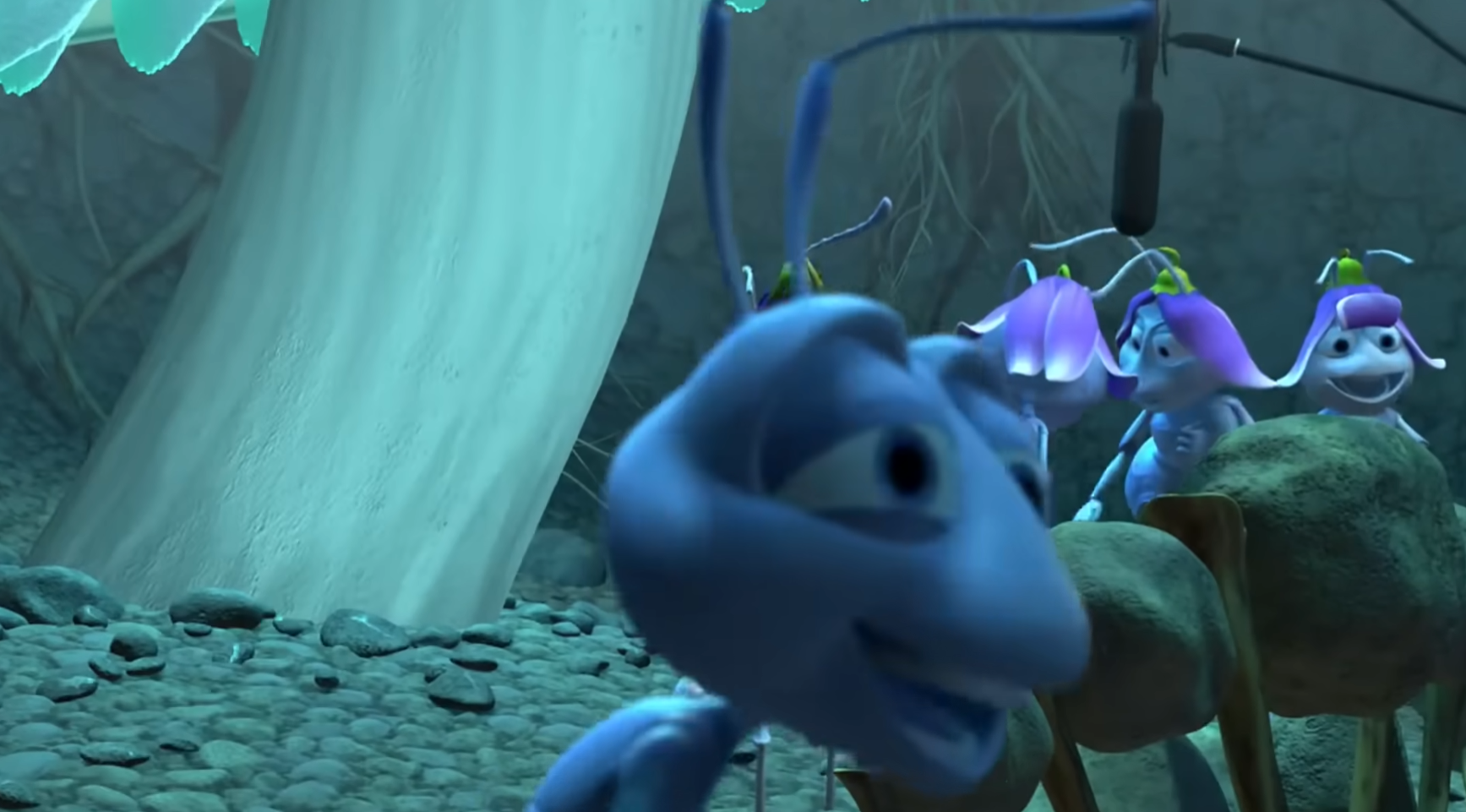
Credit
A Bug’s Life via Matthew William
Licence
Historical Ephemera
Displayed for commentary, criticism, research and historical documentation where permitted by applicable law. No permission for reuse is granted.
Caption
A Bug’s Life recreated a live-action blooper convention in animation, complete with a supposedly misplaced boom microphone.
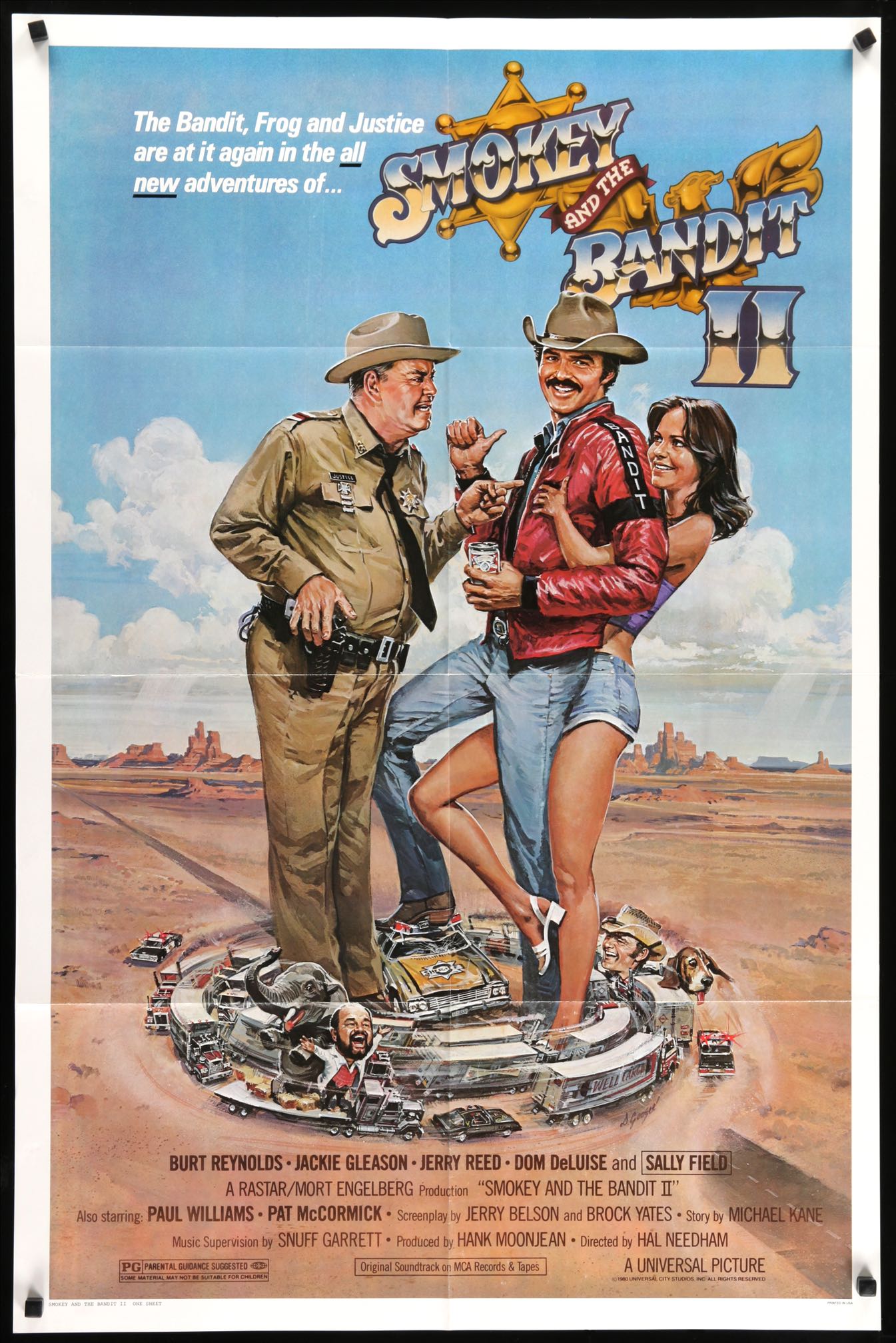
Credit
Smokey and the Bandit II poster via Original Film Art
Licence
Historical Ephemera
Displayed for commentary, criticism, research and historical documentation where permitted by applicable law. No permission for reuse is granted.
Caption
The Smokey and the Bandit II poster represents one of the films associated with the end-credit outtake tradition.
Credit
Hooper (1978) closing-credit stunt reel via Porcja Wiedzy
Licence
Historical Ephemera
Displayed for commentary, criticism, research and historical documentation where permitted by applicable law. No permission for reuse is granted.
Caption
Smokey and the Bandit II places cast credits beside comic footage, giving the audience one more performance on the way out.