Brothers Tom and Louis Borders opened the first Borders Book Shop in Ann Arbor, Michigan, United States, in 1971. What began as an independent bookshop developed into a major chain of large stores where books shared space with music, films and room to browse. By 30 January 2010, the later Borders Group corporate entity operated 511 Borders superstores. The following year it entered Chapter 11 and planned the closure of 226 underperforming locations.
Why It Mattered
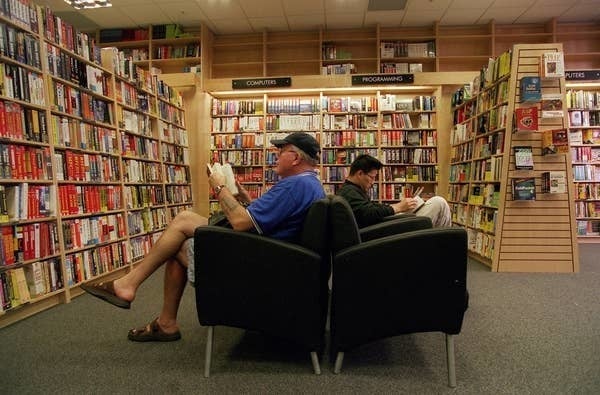
The superstore format made buying a book part of a longer visit rather than a quick transaction. Its decline captured the pressure facing large physical media retailers as online shopping, digital formats and changing habits challenged the cost of operating hundreds of expansive stores.
Store offer
- Brothers Tom and Louis Borders opened the first Borders Book Shop in Ann Arbor, Michigan, United States, in 1971.
- The original Borders Book Shop and its founders are distinct from the later Borders Group, Inc. corporate entity.
- Borders Group described itself as an operator of book, music and movie superstores.
- The company also ran smaller-format bookstore brands.
- Its reported retail operation also included Borders.com.
2010 footprint
- At 30 January 2010, Borders reported 511 superstores.
- 508 were in the United States and three were in Puerto Rico.
2011 restructuring
- Borders and certain subsidiaries filed Chapter 11 petitions on 16 February 2011.
- The filing records a plan to close 226 underperforming superstores and liquidate inventory at 200 selected stores.
Associated With
Tom and Louis Borders / Borders Book Shop (original founders); Borders Group, Inc. (later corporate entity) - co-founder of the original Borders Book Shop, later corporate entity and operator, brand
Defining Feature
Large stores combining books with music and films
Status
Defunct - Borders Group and certain subsidiaries filed Chapter 11 petitions on 16 February 2011
- All one image sources are not yet verified — editorial review required.
Rights Notice
Images are included for historical and archival reference.
Rights holders may contact Forgotten Archive through the publishing account to request a credit correction or removal.
Displayed for commentary and research. Fair dealing under the UK CDPA 1988 applies only where its conditions are met. No permission for reuse is granted.
Caption
Borders' reading chairs encouraged customers to linger among the books, giving the chain a social role that extended beyond straightforward retail transactions.