Aral Sea Ship Graveyard
Forgotten Places · c. 1960s
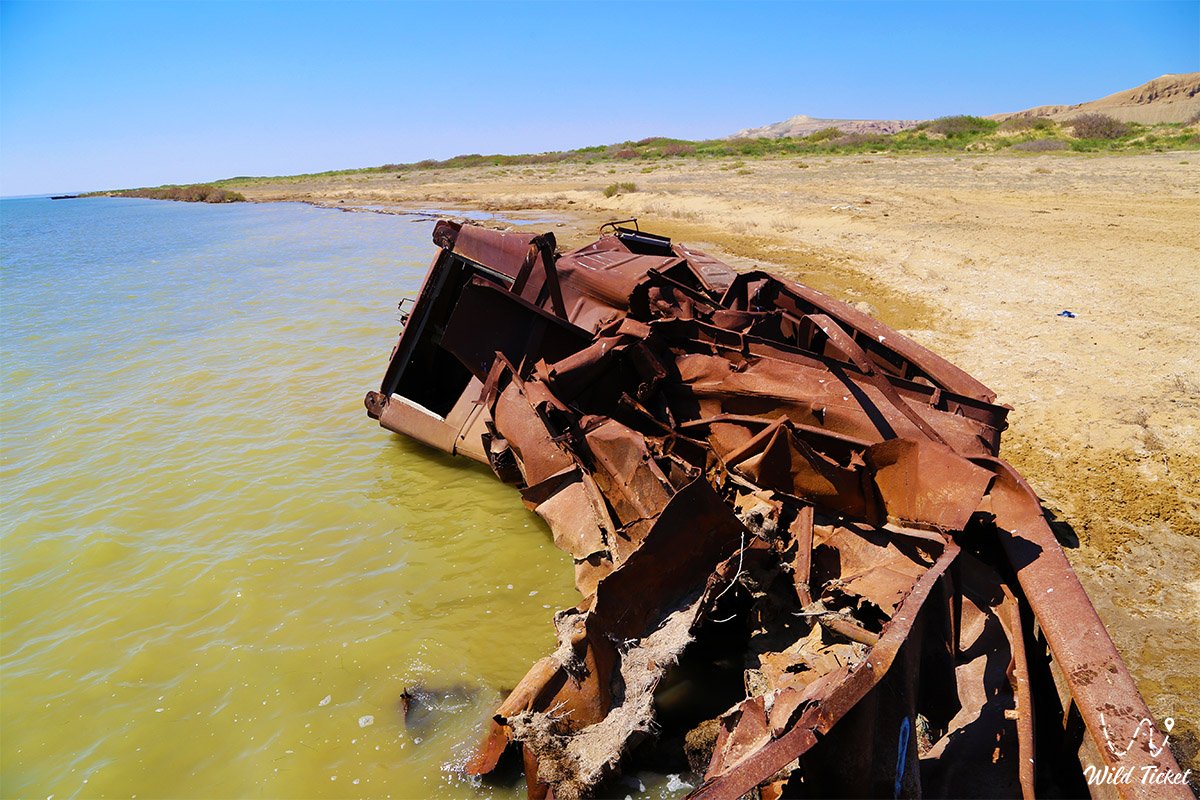
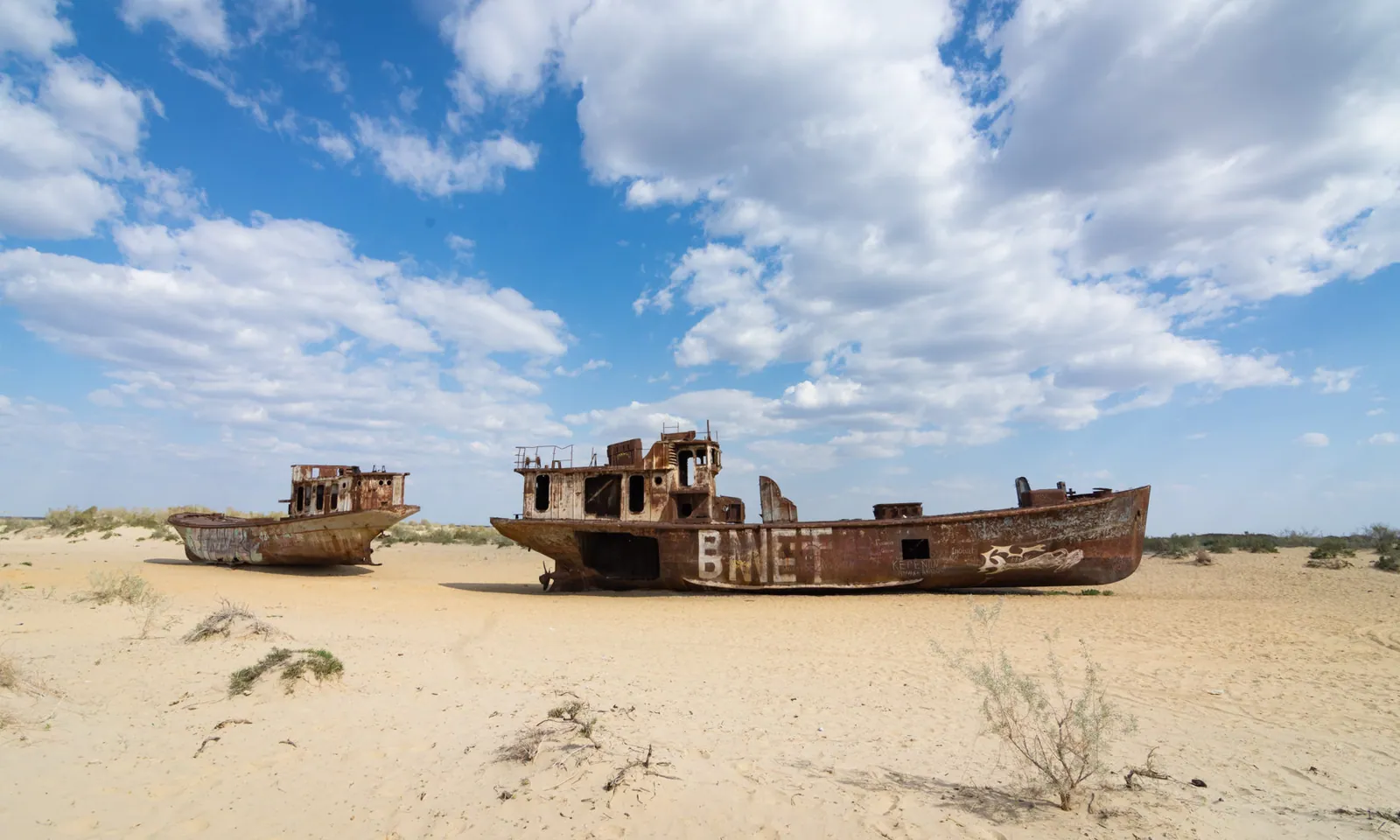
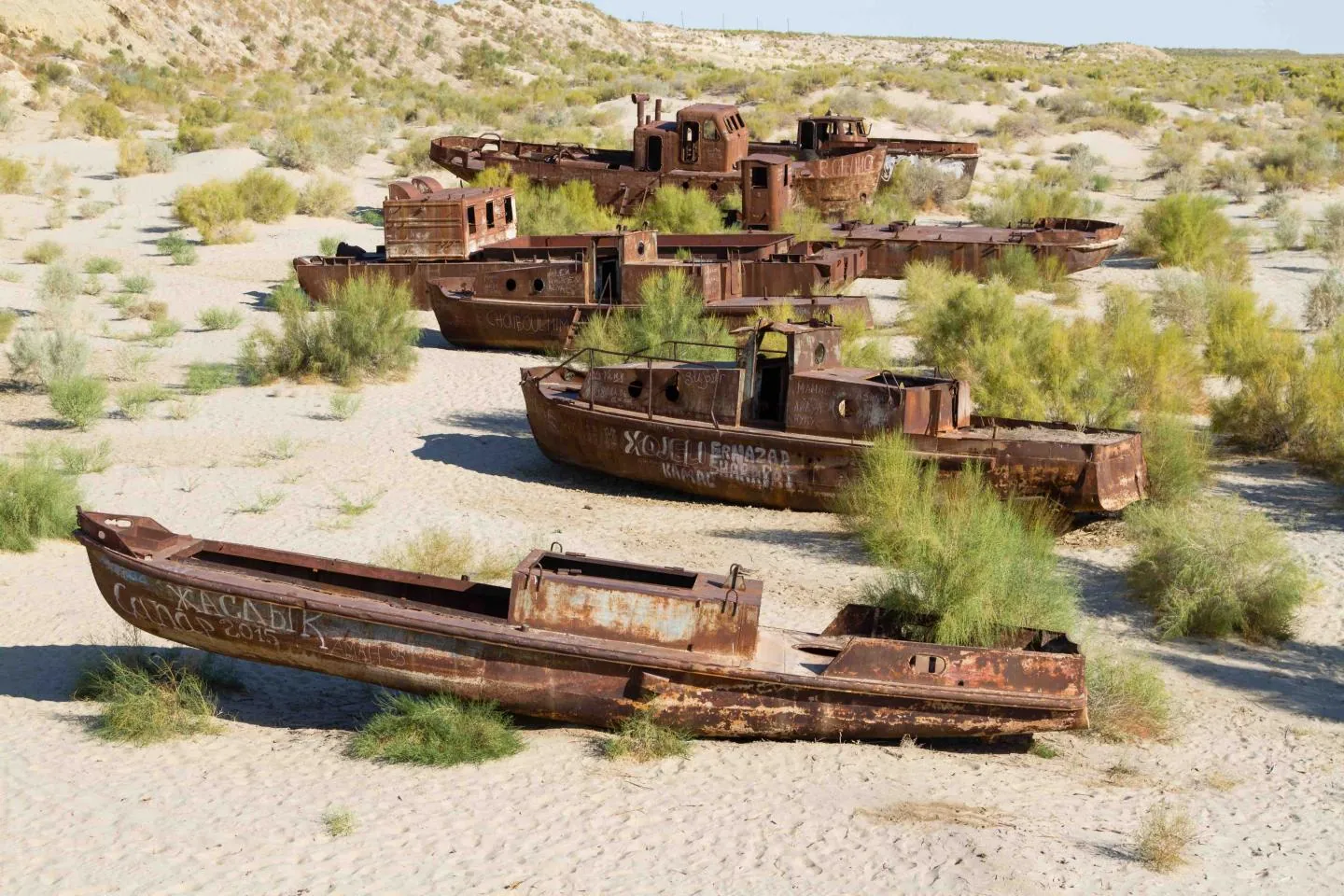
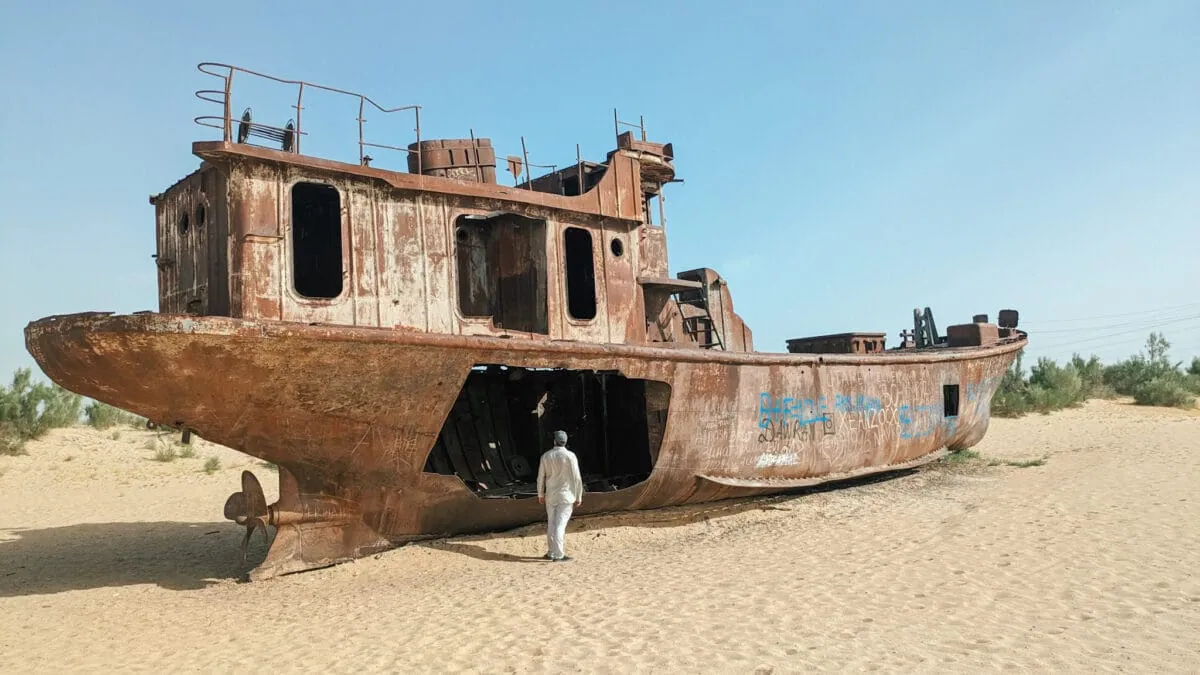
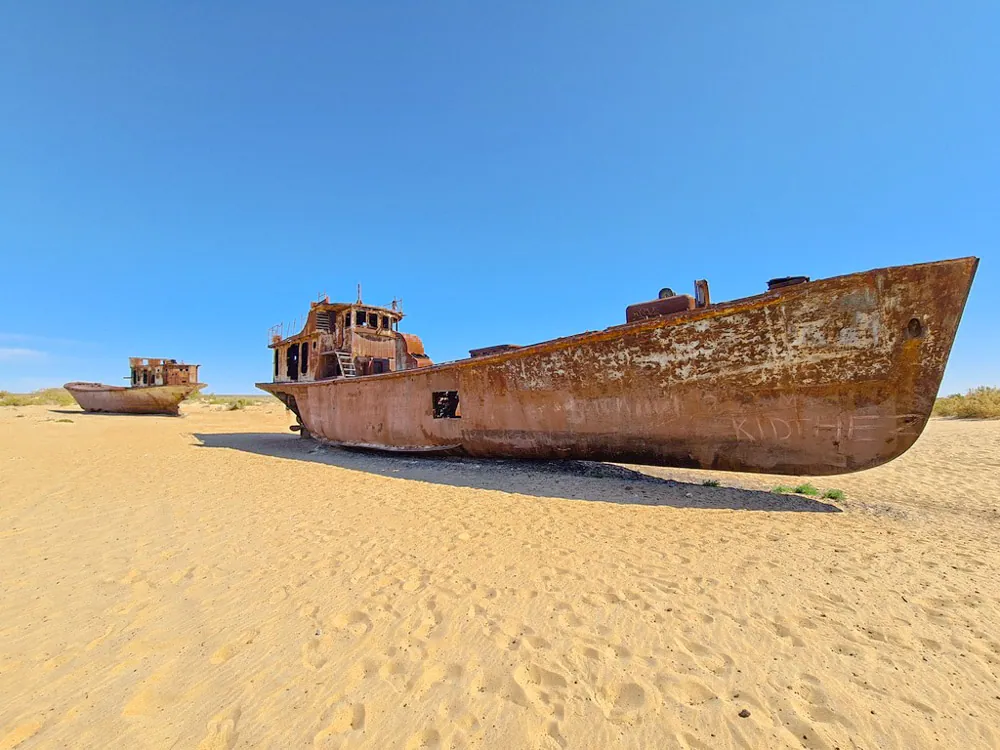
The Aral Sea ship graveyards formed as the inland sea shrank and its shoreline withdrew from former ports in Central Asia. Fishing vessels that once served coastal communities were left on exposed seabed, turning working maritime infrastructure into an abandoned desert landscape.
Why It Mattered
The stranded ships became a visible symbol of the social and environmental cost of large-scale river diversion: fisheries collapsed, port economies disappeared and the exposed seabed developed into the salt-laden Aralkum desert.
Fishing Ports and Working Vessels
- Ports such as Moynaq supported fishing fleets, canneries and communities while the Aral Sea remained one of the world’s largest inland bodies of water.
- Steel fishing vessels, harbour infrastructure and processing plants served the regional fishery.
- The ships were working objects before the retreating shoreline stranded them on exposed seabed.
From Seabed to Aralkum Desert
- From the 1960s, diversion of the Amu Darya and Syr Darya for irrigation sharply reduced inflow to the sea.
- Falling water levels and rising salinity destroyed fisheries and removed livelihoods around former ports.
- Exposed seabed became the Aralkum desert, spreading salt and contaminated dust across the region.
Ship Graveyards and Partial Recovery
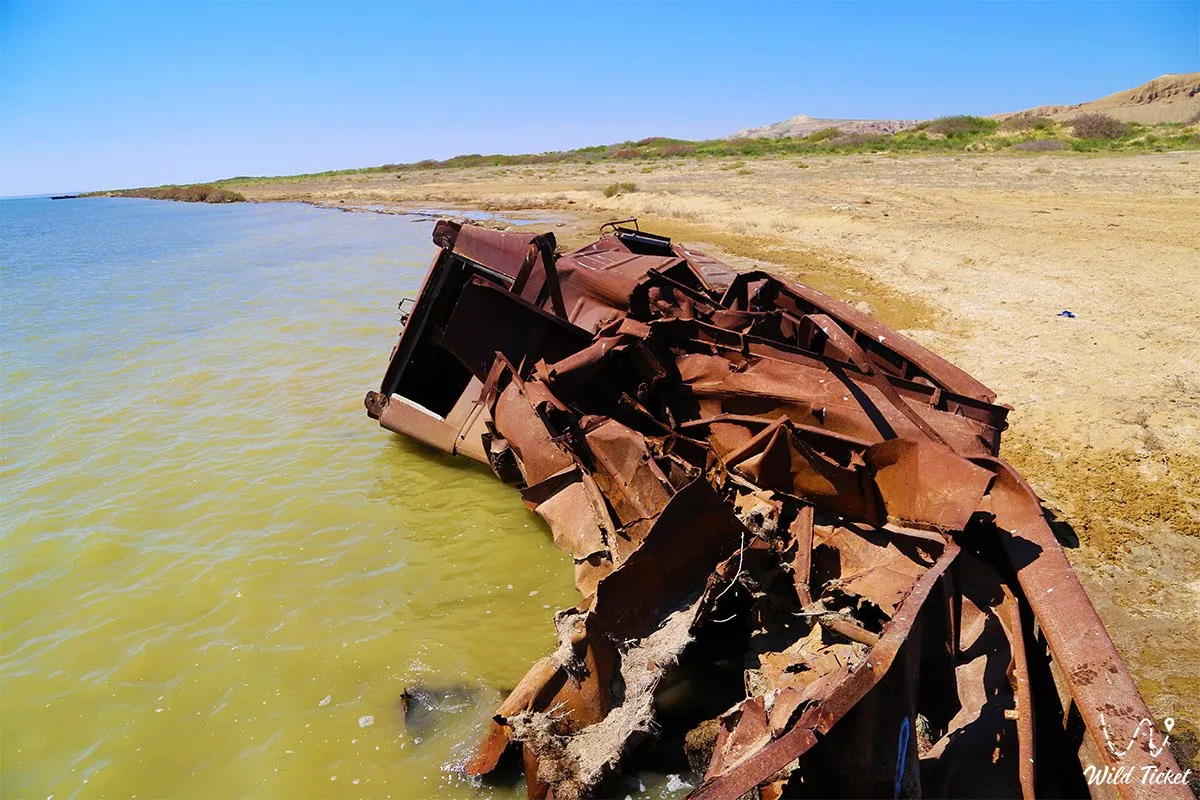
- Many stranded vessels were abandoned or later cut up for scrap as the water receded.
- Remaining vessels, museum displays and satellite records document the lost fishing economy.
- Recovery projects have restored part of the North Aral Sea, while the wider environmental transformation remains visible.
Associated With
Soviet-era fishing and maritime industries - creator, owner or operator
Defining Feature
Fishing vessels stranded as the Aral Sea shoreline retreated
Status
Preserved - Former maritime landscape preserved through environmental and historical records
Primary Records
Image Sources
- Image 1 source not verified — editorial review required.
- Image 2 source not verified — editorial review required.
- Image 3 source not verified — editorial review required.
- Image 4 source not verified — editorial review required.
- Image 5 source not verified — editorial review required.
Rights Notice
Images are included for historical and archival reference.
Rights holders may contact Forgotten Archive through the publishing account to request a credit correction or removal.
Gallery and image credits
unknown
View original image
unknown
View original image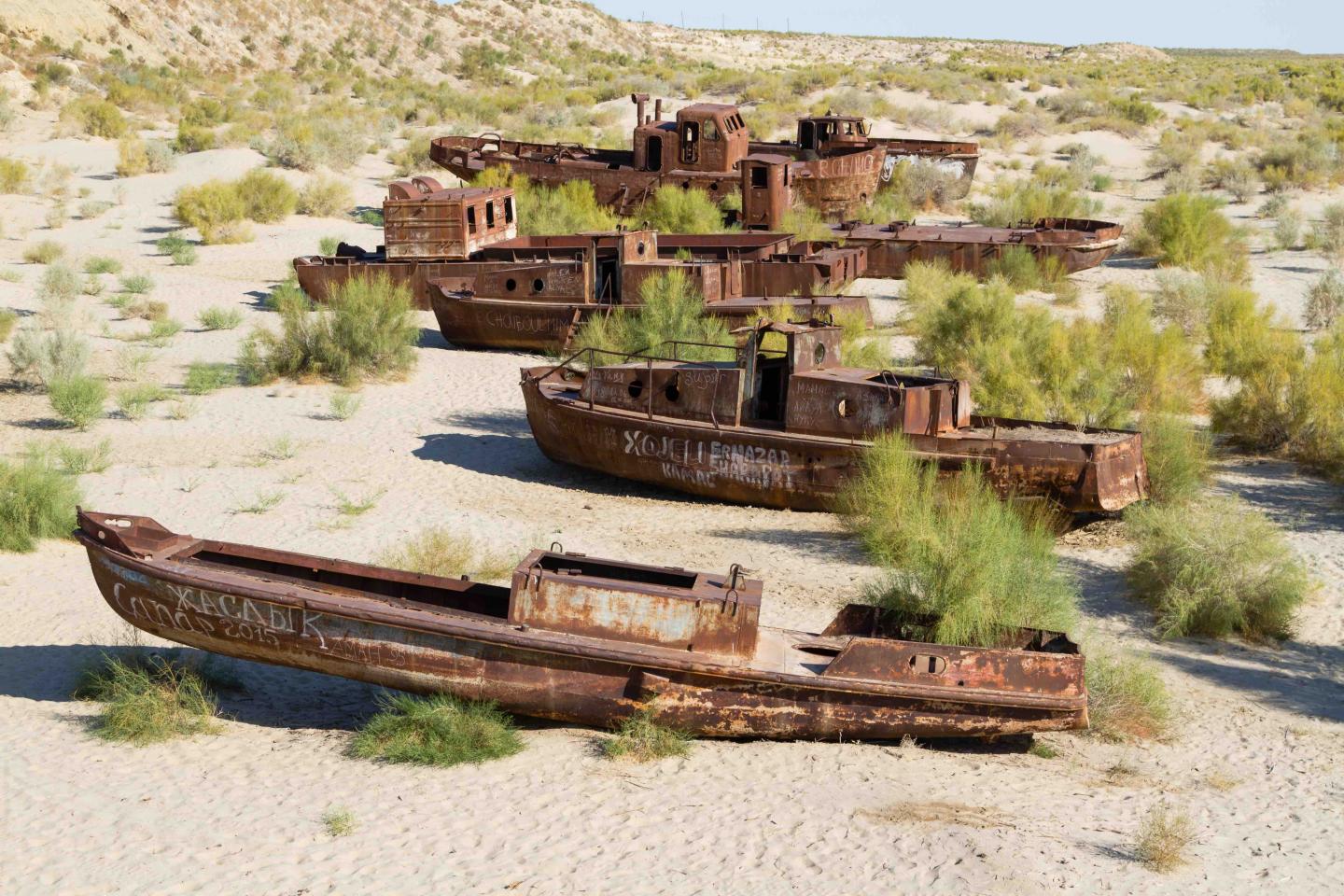
unknown
View original image
unknown
View original image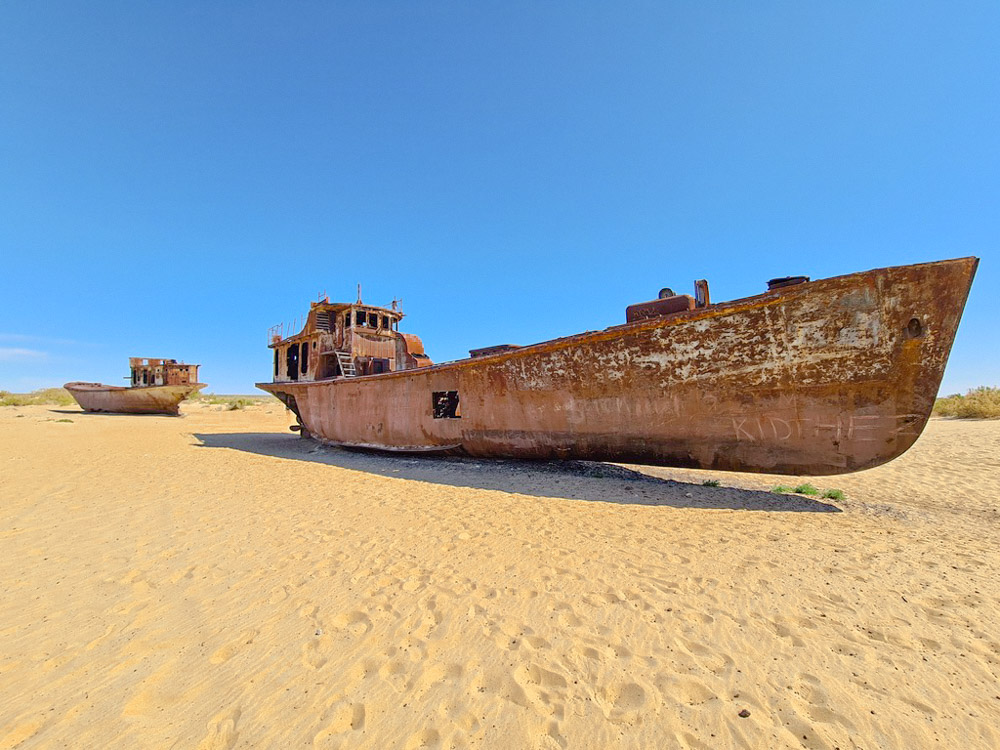
unknown
View original image