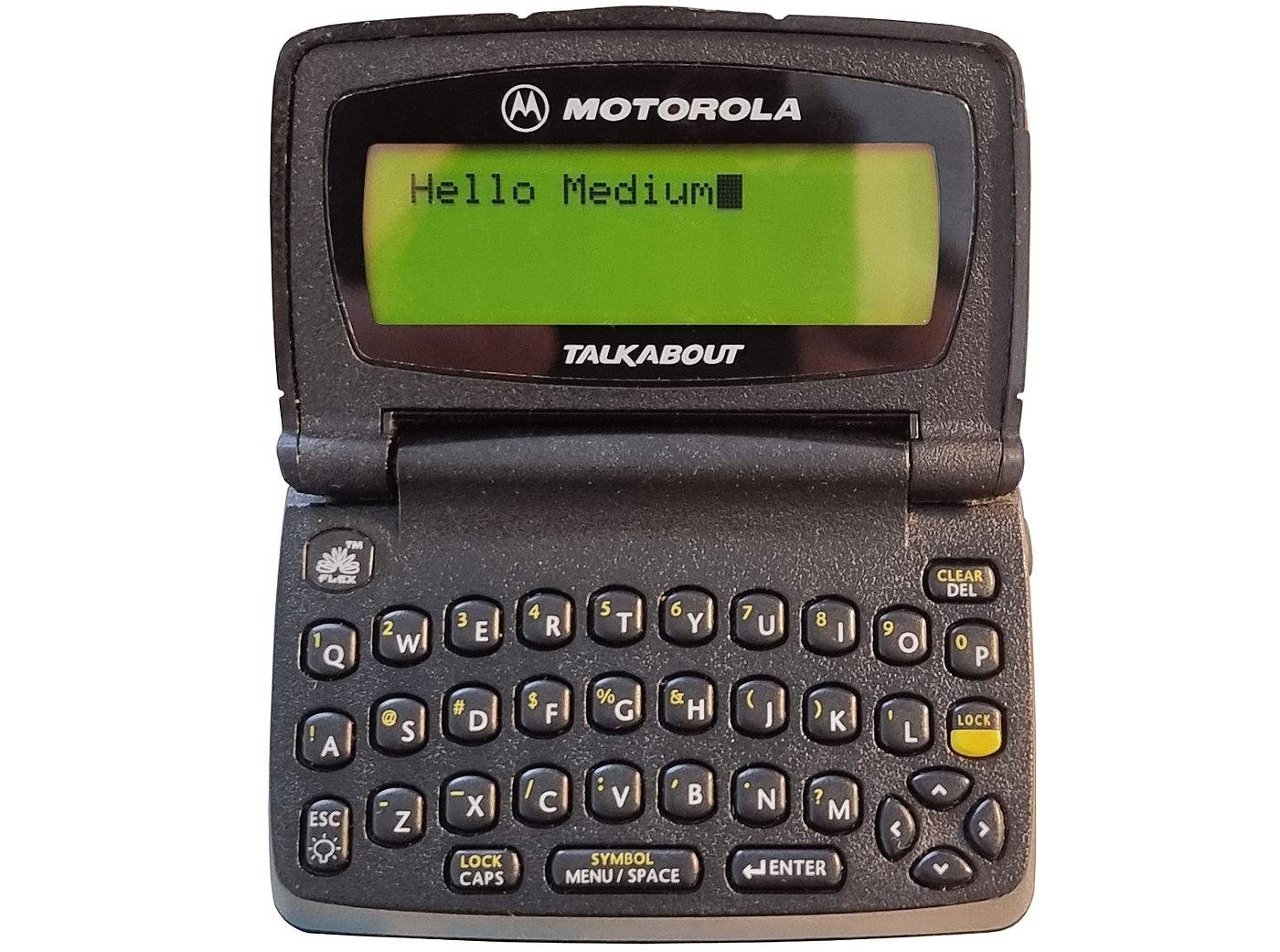
Pager
Forgotten Technology · 1954
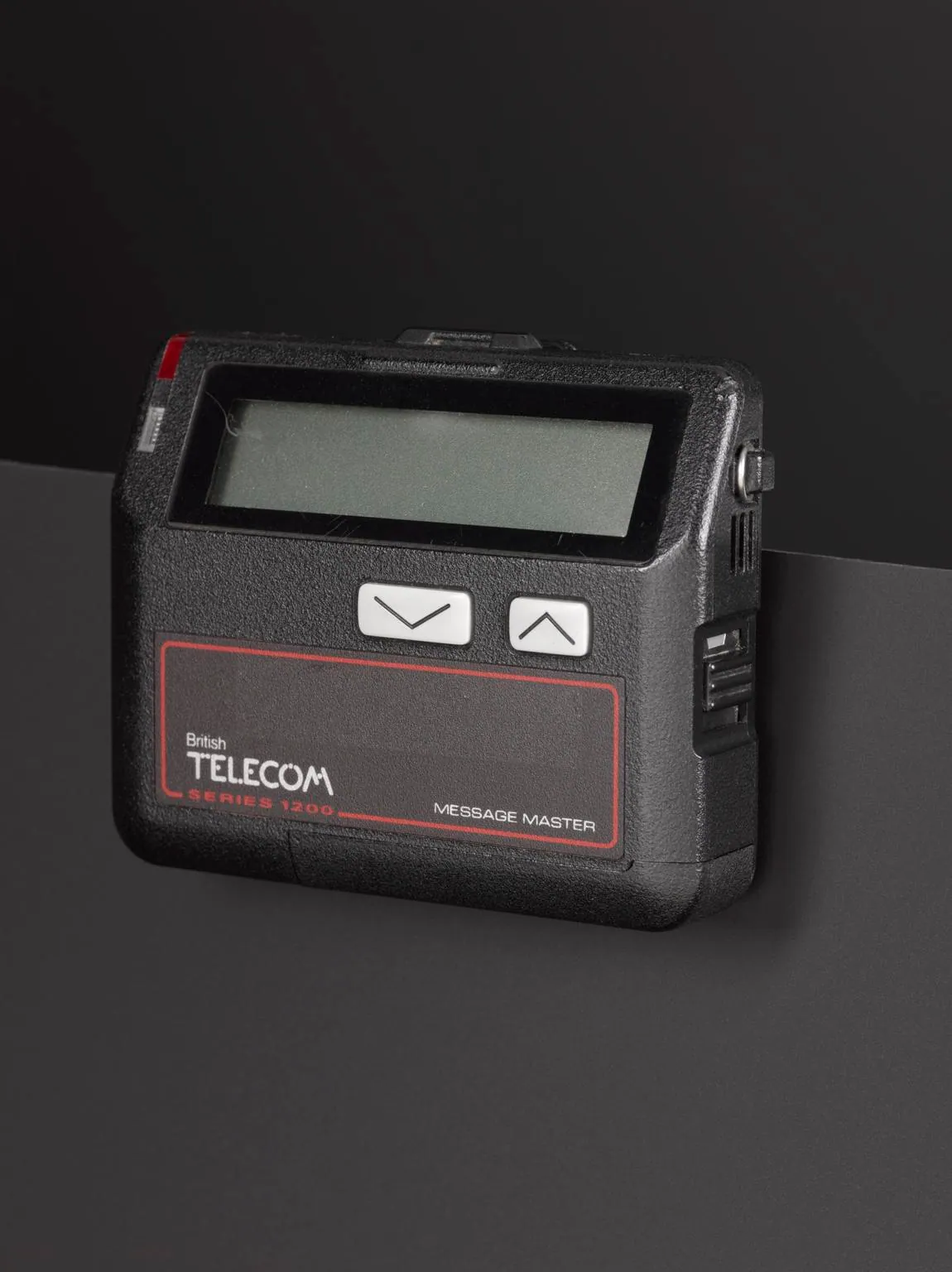
In UK usage, a “bleep” commonly means a pager: a portable receiver used to alert a designated person. Guy’s and St Thomas’ credits Peter Styles, working with Multitone Electronics, with developing its first hospital “bleep” system in 1954; Multitone dates deployment of the closed-loop system at St Thomas’ to 1956. That early on-site staff-location system used selective calling and direct speech messaging, unlike the later public radio pagers that carried numeric and alphanumeric messages.
Why It Mattered
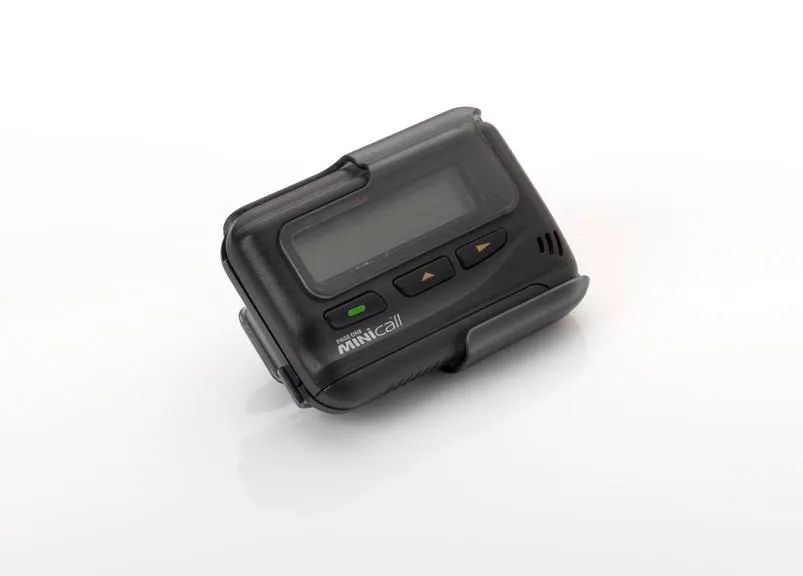
It let a particular person be reached while moving around rather than waiting beside a fixed telephone, without relying on general bells, buzzers or loudspeaker announcements. The idea remained valuable well beyond its 1980s radio-paging heyday: a Motorola Minicall supplied to London Ambulance Service cycle responders dates from 2000–02, while paging is still marketed for specialist critical-communications settings.
The hospital bleep system
- St Thomas’ attributes its 1954 “first bleep” system to Peter Styles working with Multitone; this is an institutional claim about that British hospital system.
- Multitone dates installation of its closed-loop paging system at St Thomas’ Hospital, London, to 1956.
- A 1956 advertisement describes a magnetic induction loop, pocket receiver, selective calling and direct speech messaging.
From selective calls to radio messages
- A 1957 Multitone advertisement says St Thomas’ had 70 receivers in use, activated through push-button calling.
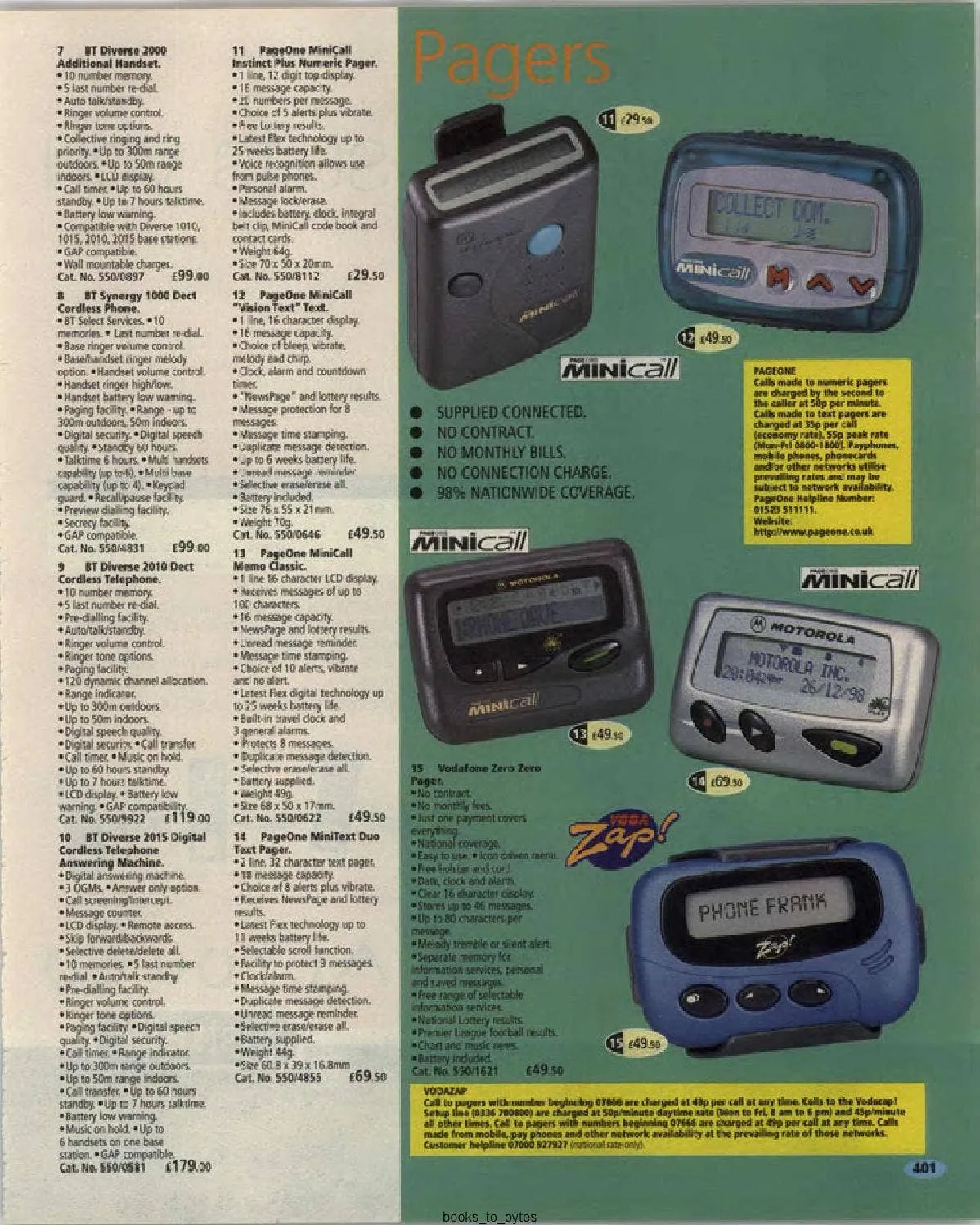
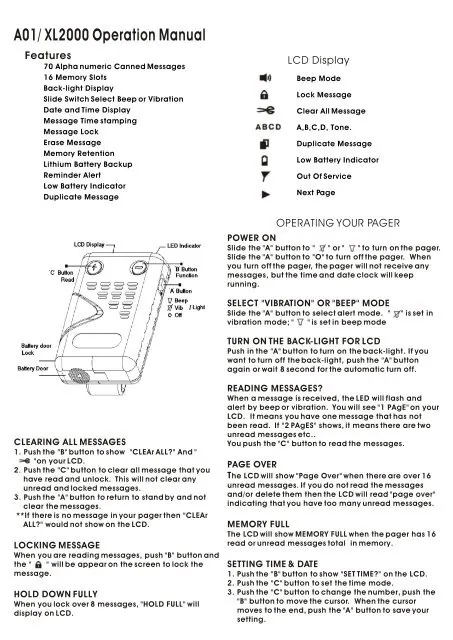
- Later dedicated radio networks supported numeric and alphanumeric messages; POCSAG variants operated at 512, 1,200 and 2,400 bit/s.
- The Science Museum Group places radio pagers in use by mobile professionals from the mid-1970s and calls the 1980s their heyday.
Specialist use and preservation
- A 2000–02 Motorola Pager One Minicall in the Science Museum Group collection was supplied to London Ambulance Service cycle responders.
- In 2019, the Department of Health and Social Care said NHS trusts should phase out pagers for non-emergency communications by the end of 2021, allowing retention in some emergency circumstances.
- Preserve a pager with its assigned number, battery and charger, manuals, service and coverage records, and the user’s role; the device is part of a communications system.
Associated With
Peter Styles - developer of the hospital paging system; Multitone Electronics - development and manufacturing partner
Defining Feature
Portable selective-call receiver; early St Thomas’ system used a magnetic induction loop and direct speech messaging
Status
Unknown - Later radio paging declined from general use but remains supplied for specialist critical communications
Primary Records
Image Sources
Rights Notice
Images are included for historical and archival reference.
Rights holders may contact Forgotten Archive through the publishing account to request a credit correction or removal.
Gallery and image credits
Science Museum Group Collection
editorial review
View original image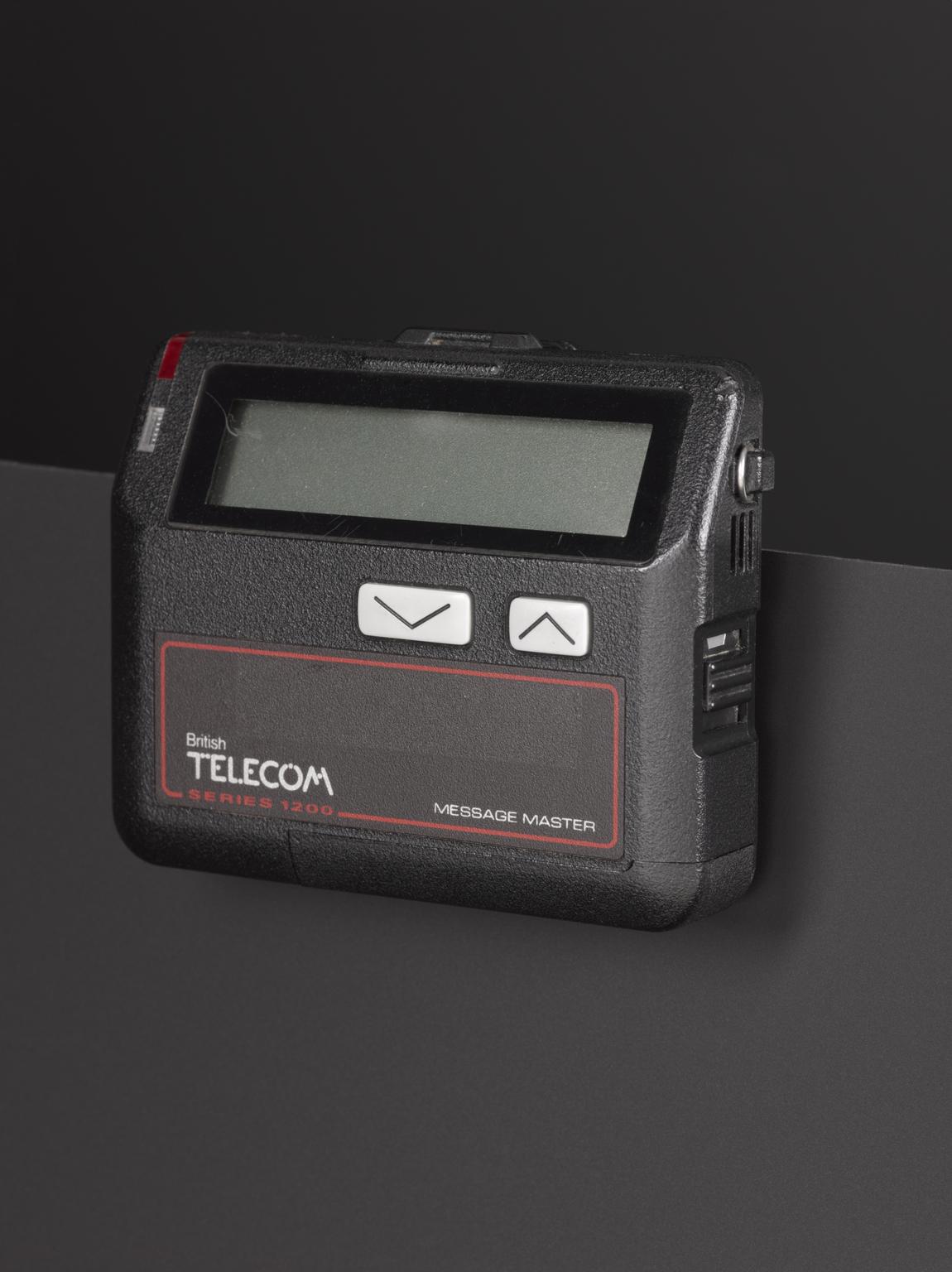
Science Museum Group Collection
editorial review
View original image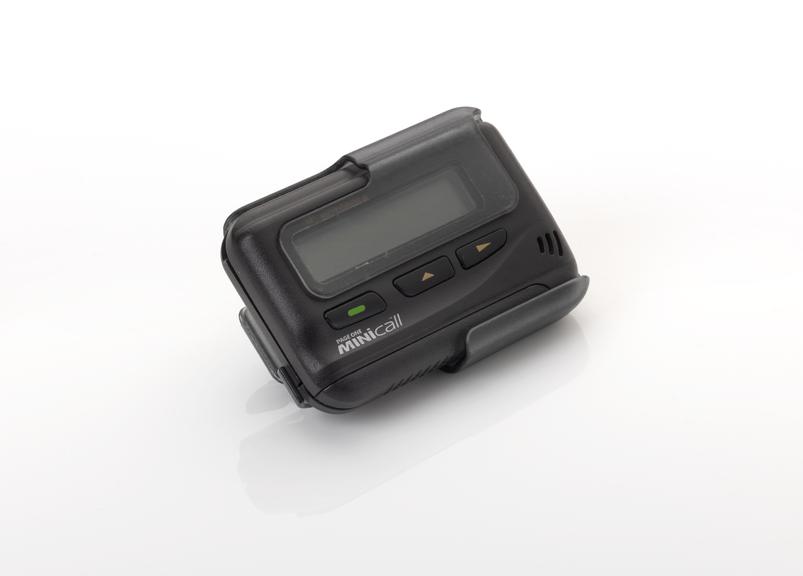
Argos Superstore 1999 Spring/Summer by Retromash - Issuu
editorial review
View original image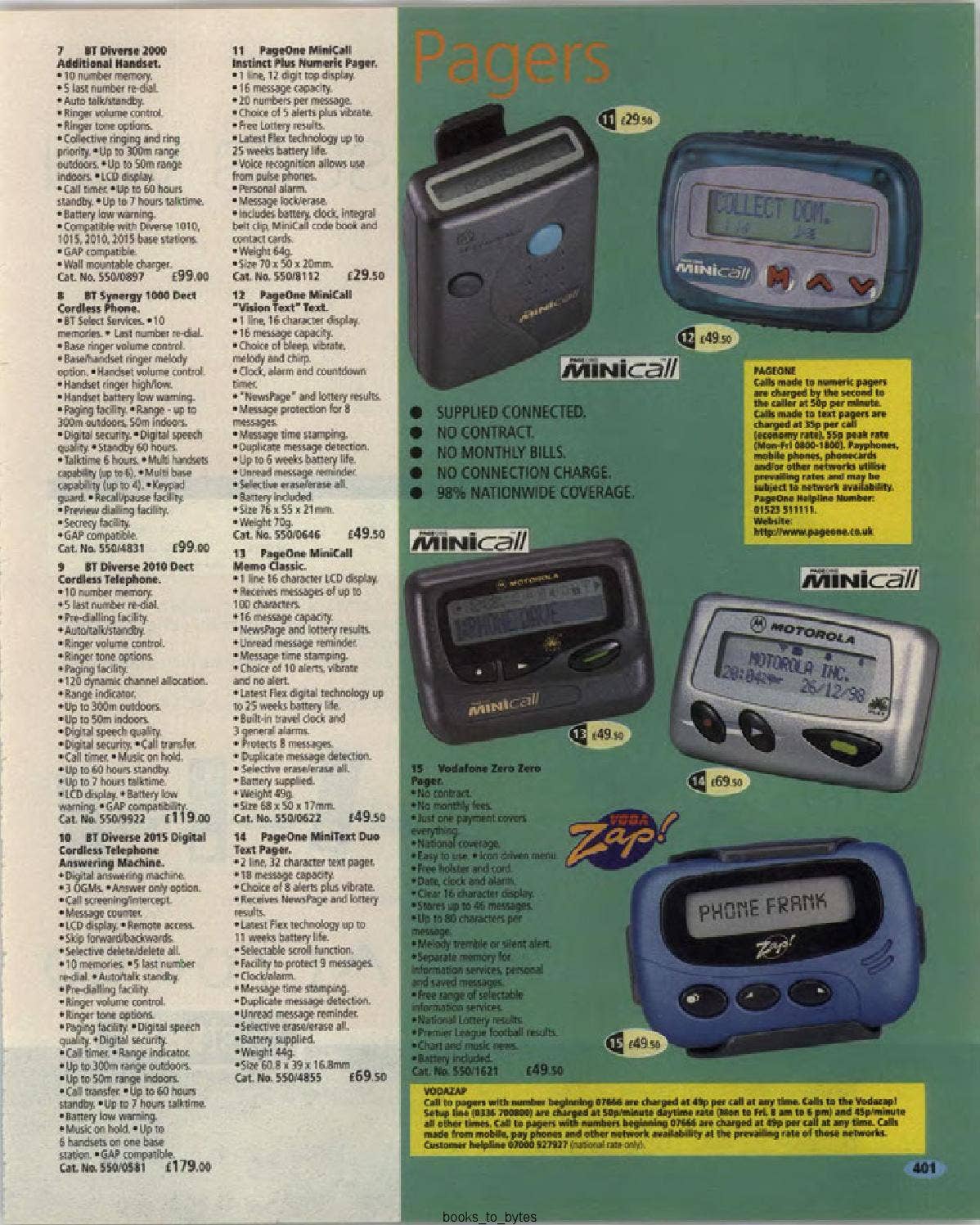
YUMPU
editorial review
View original image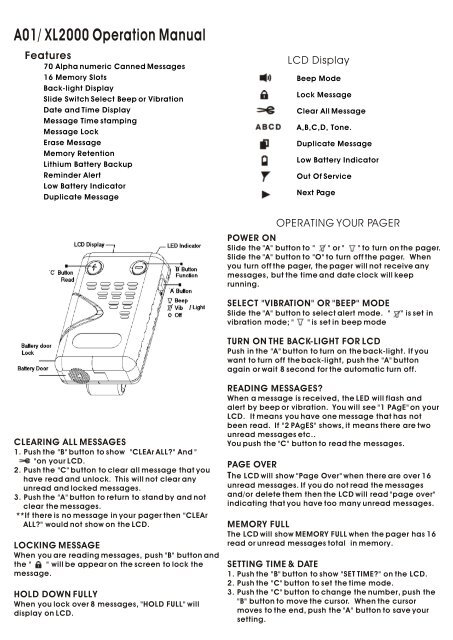
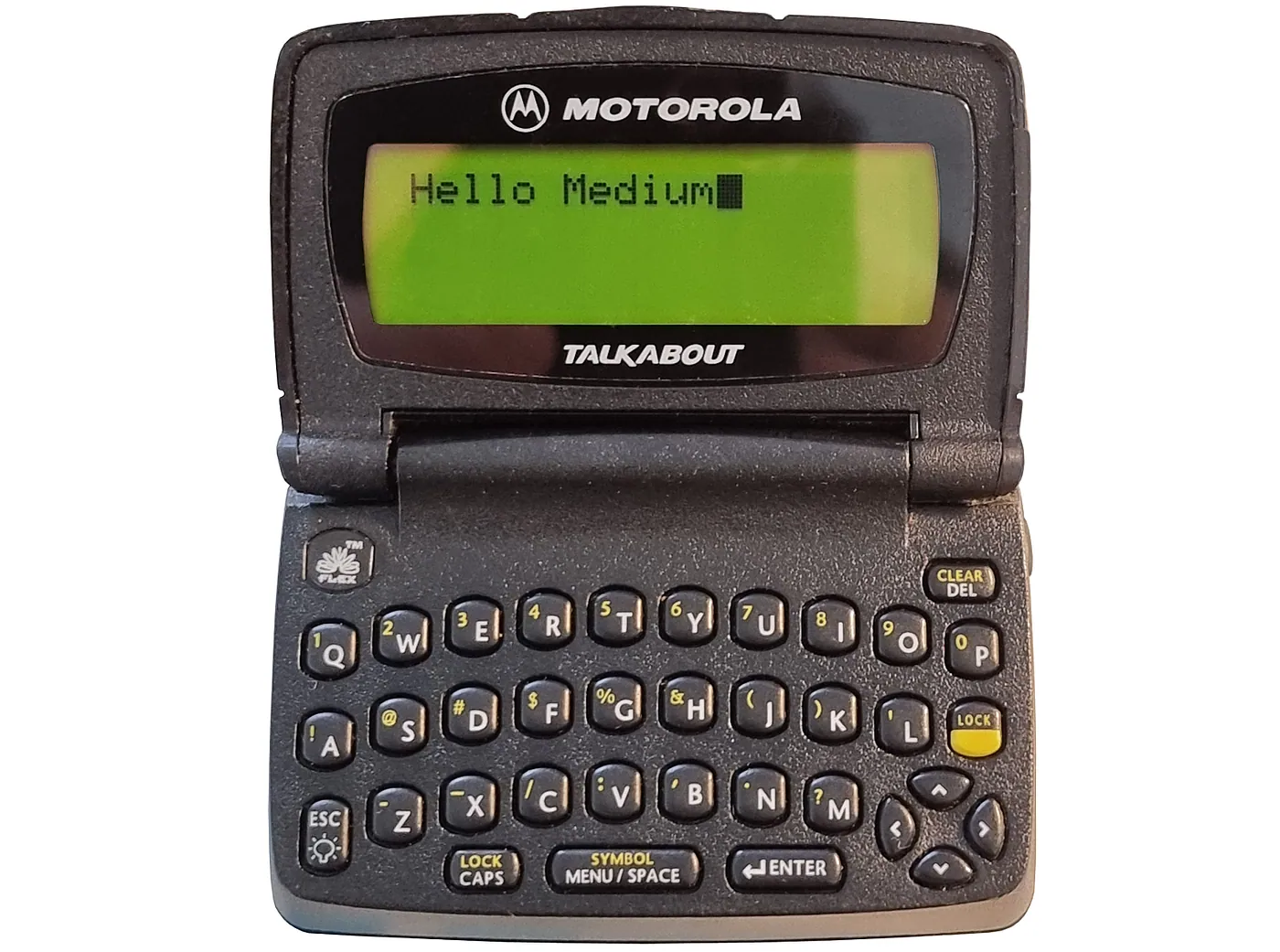
Debugger - Medium
editorial review
View original image