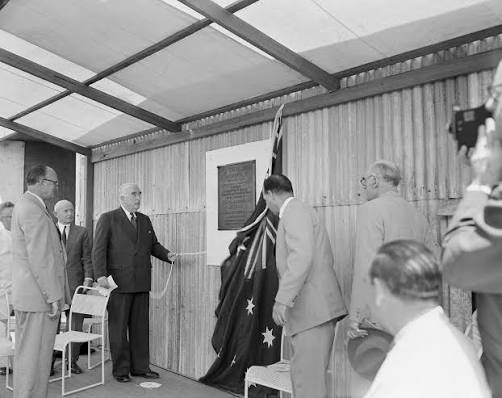
Rum Jungle mine-and-treatment complex
Forgotten Places · 1953–1971
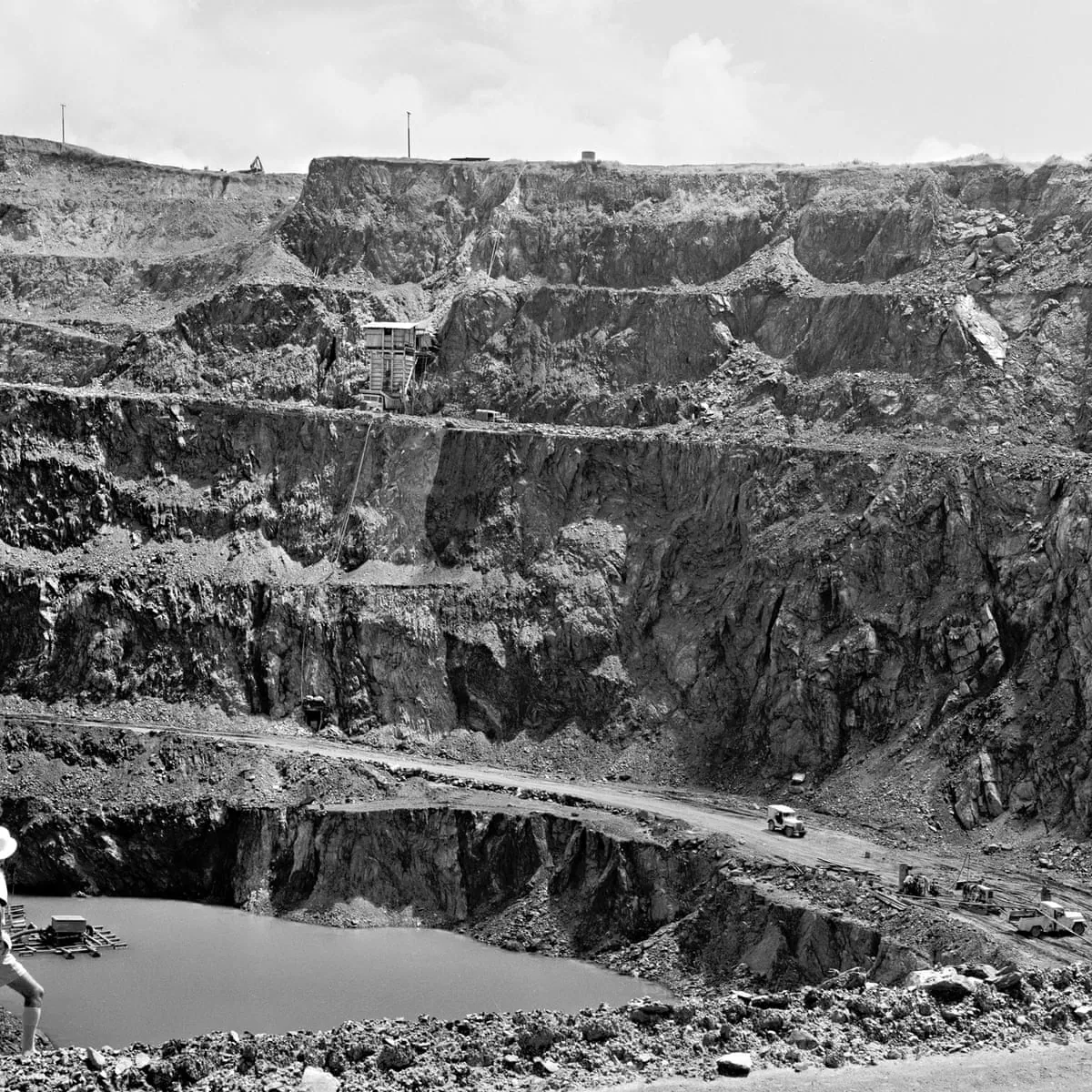
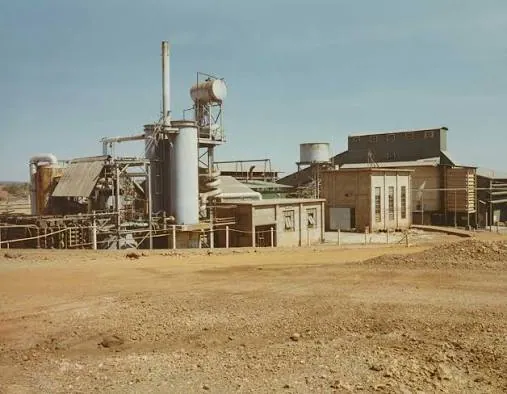
Near Batchelor in the Northern Territory, the Commonwealth-established Rum Jungle complex combined open-cut uranium and copper mining with sulphuric-acid treatment infrastructure. The Australian Atomic Energy Commission held overall responsibility after 1953, while Territory Enterprises Pty Ltd managed development and operations; mining ceased in 1963, stockpiled ore was processed until April 1971, and the treatment plant was then dismantled.
Why It Mattered
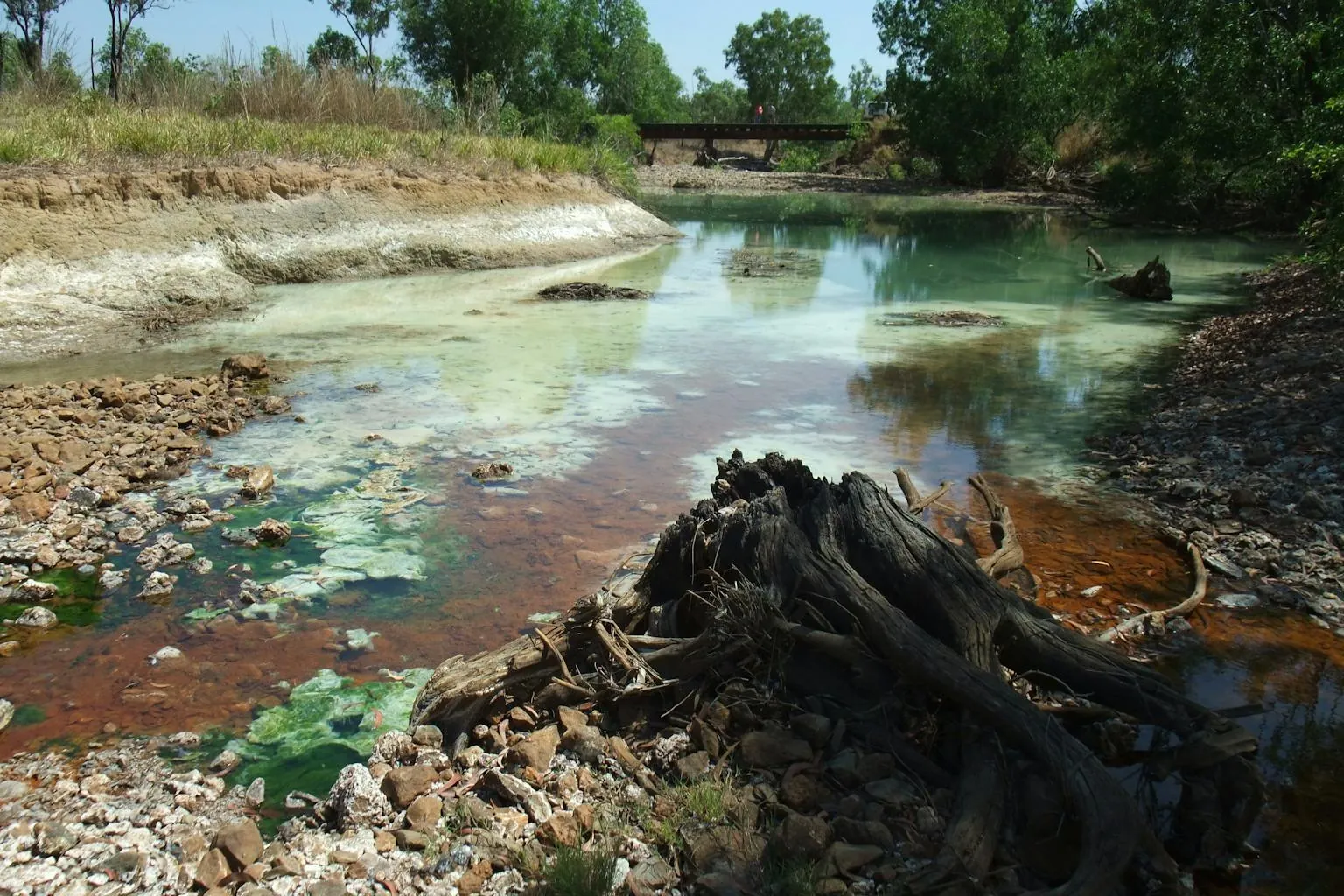
Its legacy is felt in the East Branch of the Finniss River, where acid mine drainage from waste-rock stockpiles remains a major contamination source and approved large-scale remediation is under way. The project supplied uranium oxide during Australia’s first post-war uranium boom, but its history also includes documented Aboriginal exclusion from uranium-mining operations and continuing cultural responsibilities held by Kungarakan and Warai joint Traditional Owners.
Project, Plant and Production
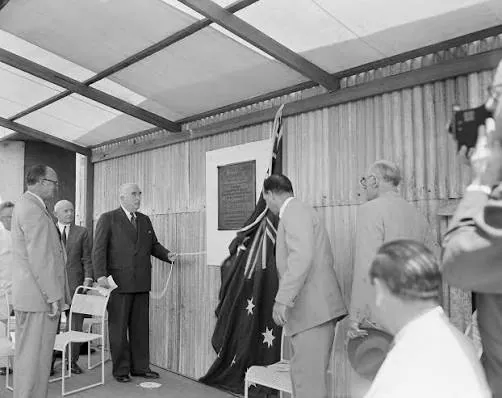
- The treatment plant officially opened on 17 September 1954 and used sulphuric-acid leaching, solution separation and precipitation to make uranium concentrate.
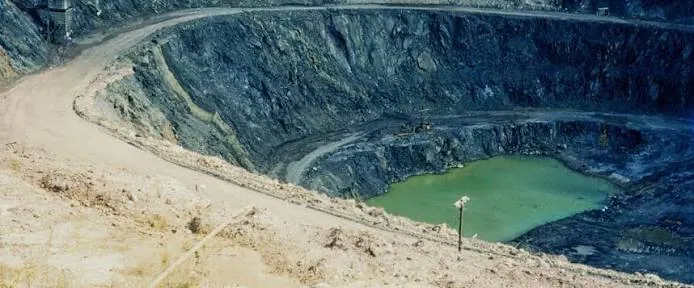
- Its workings included White’s, Dyson’s and Rum Jungle Creek South, alongside stockpiles, waste rock, tailings and an acid plant.
- Official lifetime output was reported as 3,530 tonnes of uranium oxide and 20,000 tonnes of copper concentrate.
Batchelor and the Workforce
- Batchelor was redeveloped for the project workforce, with 98 furnished all-electric family houses recorded by the AAEC.
- The 1953 account also listed single quarters, a mess, school, churches, store, swimming pool, sports facilities and cinema.
- Batchelor remains an inhabited town; it should not be described as a vanished mine town.
Pollution, Country and Remediation
- Contamination affects landforms, groundwater and surface water; copper is identified as the most important contaminant ecotoxicologically.
- A Commonwealth-funded rehabilitation programme ran from 1983 to 1986, but later deteriorated; a government–Traditional Owner partnership began in 2009.
- Approved remediation includes mine-waste containment, contaminated-water management, Main Pit capping and backfilling, and revegetation.
Associated With
Commonwealth Government - mine owner; Australian Atomic Energy Commission - oversight body; Territory Enterprises Pty Ltd - mine operator
Defining Feature
Open cuts, sulphuric-acid uranium treatment plant, waste rock and tailings
Status
Active - Dismantled industrial complex; active remediation landscape on Kungarakan and Warai Country
Primary Records
- Rum Jungle history — Northern Territory Government
- Rum Jungle Project — Australian Atomic Energy Commission booklet (1963)
- Annual Environmental Monitoring Report 2023–24 — Northern Territory Department of Mining and Energy
- Rehabilitation of the former Rum Jungle Mine Site — Northern Territory environmental-approval register
Image Sources
Rights Notice
Images are included for historical and archival reference.
Rights holders may contact Forgotten Archive through the publishing account to request a credit correction or removal.
Gallery and image credits
The Guardian
editorial review
View original image
Australia's Defining Moments Digital Classroom - National Museum of Australia
editorial review
View original image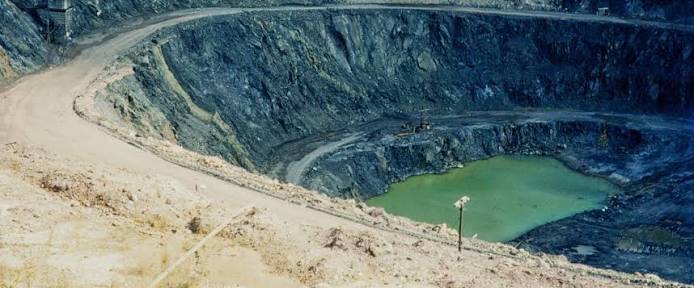
The Conversation
editorial review
View original image
Australia's Defining Moments Digital Classroom - National Museum of Australia
editorial review
View original image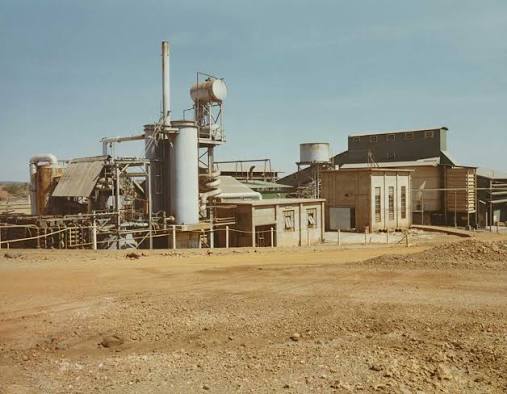
Australia's Defining Moments Digital Classroom - National Museum of Australia
editorial review
View original image