ONdigital, later ITV Digital
Forgotten Technology · 1998–2002
ONdigital brought subscription digital television through UK aerials before becoming ITV Digital in 2001.
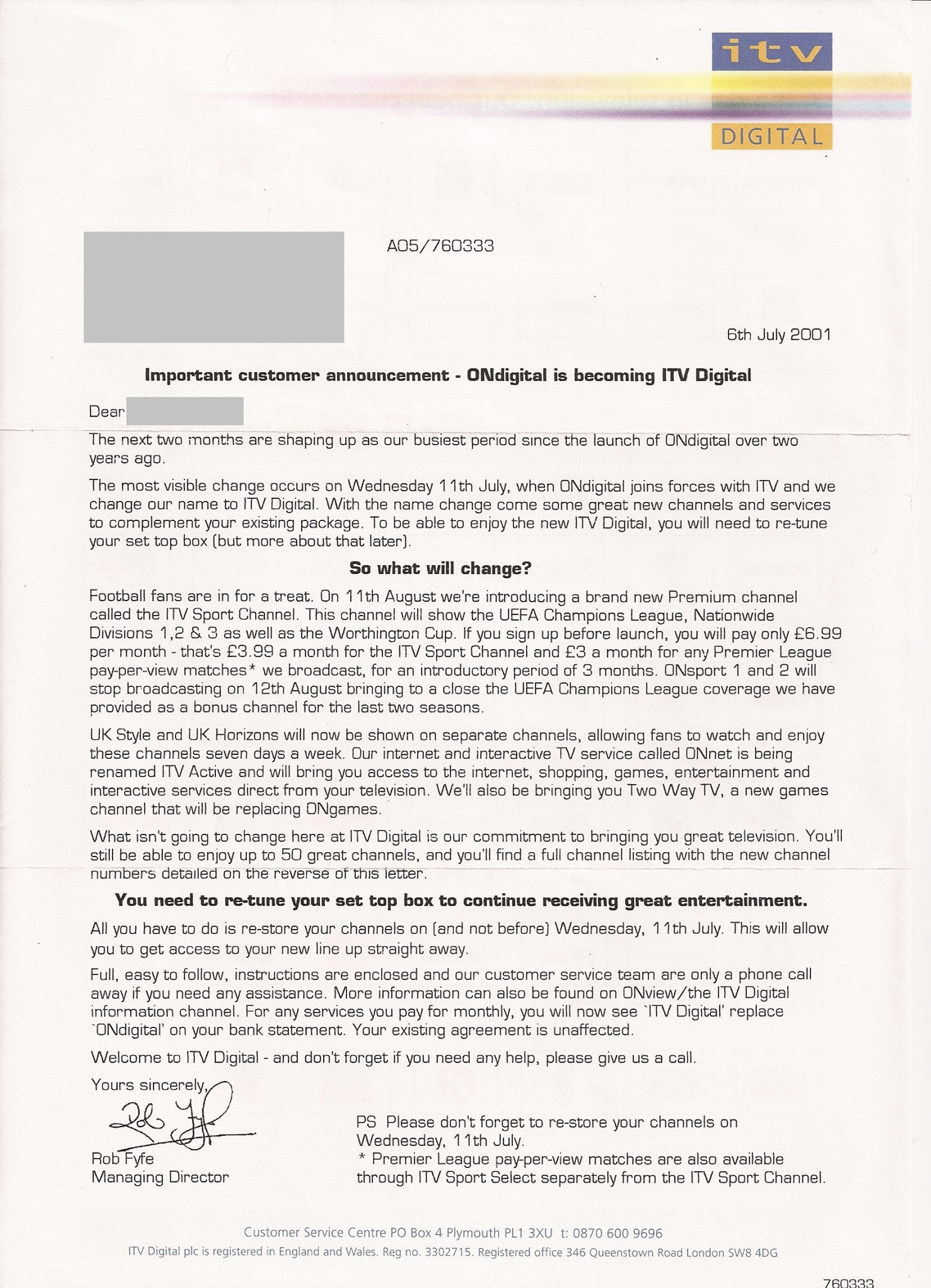
Launched in November 1998, the service used set-top receivers and removable smartcards to deliver paid channels without a satellite dish or cable connection. It became ITV Digital in July 2001, while Johnny Vegas and the knitted Monkey gave its advertising a life beyond the platform.
The familiar box and Monkey adverts couldn’t save a business losing money. An expensive Football League deal added to the pressure, and an attempt to renegotiate it failed. The operating companies entered administration in March 2002, and pay-TV broadcasts ended on 1 May.
Why It Mattered
It gave households beyond satellite and cable another route into multichannel digital television. Changing prices and hardware offers showed how quickly digital viewing was moving towards ordinary homes, while Johnny Vegas’s character Al and Monkey became more memorable than the platform they advertised.
Its collapse exposed the risks of combining heavy equipment subsidies, costly programming, reception limits and ambitious subscriber growth with a major sports-rights commitment. It also left behind a distinctive set of receivers, smartcards and advertising that captured an unsettled stage in the UK’s move to digital television.
How the Service Worked
- Customers connected a manufacturer-supplied receiver to their television and rooftop or indoor aerial.
- A removable smartcard authorised paid channels; a telephone connection was not compulsory for basic television reception.
- Reception depended on transmitter coverage, local signal strength and aerial condition, and some households needed aerial work.
Launch Prices and Changing Offers
- At launch, the receiver was advertised at £199.
- An introductory offer supplied all primary channels for £7.99 per month for three months; afterwards six selected primary channels cost £7.99 and the full primary range £9.99, with premium Sky channels costing extra.
- Later arrangements included free-loan, prepaid and bundled hardware, so the £199 purchase price did not apply to every customer or period.
Financial Pressure and the Football Contract
- Audited ONdigital accounts recorded operating losses of approximately £31.0 million in 1998, £148.1 million in 1999 and £282.7 million in 2000.
- The Football League contract covered the 2001–02 through 2003–04 seasons and was publicly valued at £315 million.
- In April 2002, Parliament recorded that £137 million had been paid and £178 million remained outstanding.
- The failed attempt to renegotiate the football commitment precipitated administration in a business already facing sustained losses, churn, subsidies, programming costs, competition, reception weaknesses and piracy.
Associated With
Carlton Communications - equal co-owner; Granada - equal co-owner
Defining Feature
Subscription digital television received through a television aerial and set-top receiver
Status
Unresolved - pay-TV broadcasts ended on 1 May 2002
Primary Records
Image Sources
Rights Notice
Images are included for historical and archival reference.
Rights holders may contact Forgotten Archive through the publishing account to request a credit correction or removal.
Gallery and image credits
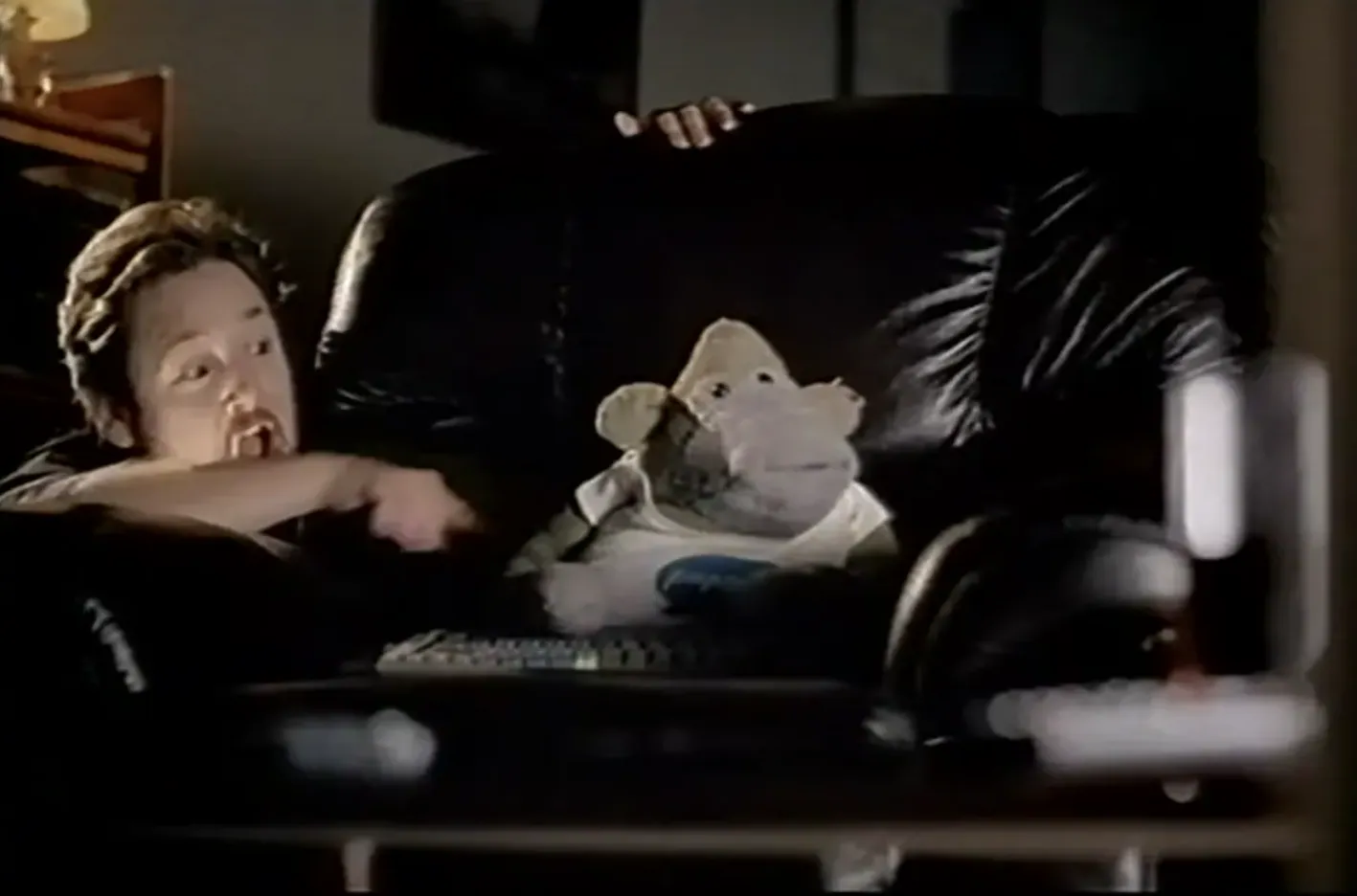
Johnny and Monkey in an ITV Active advert, bringing the internet to the living-room television.
TV Whirl
editorial review
View original image
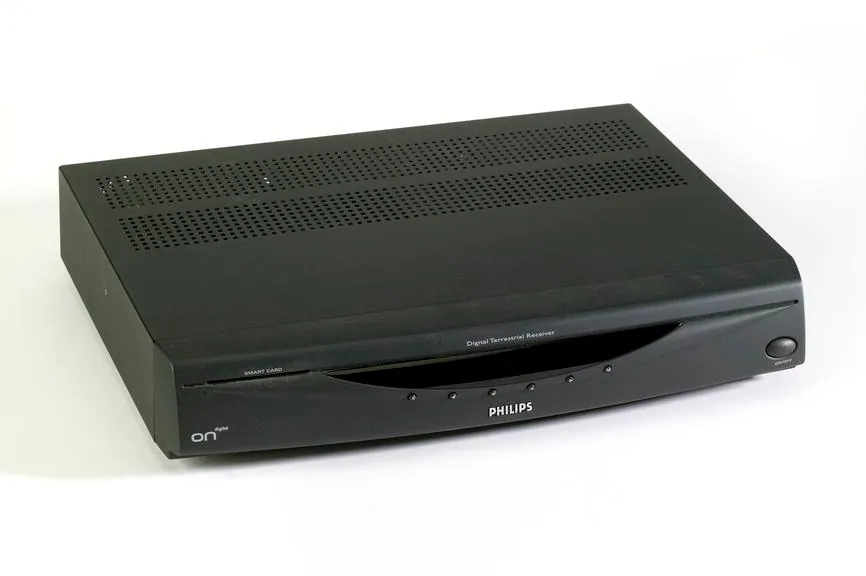
Philips ONdigital receiver—the box that brought subscription digital television through your aerial.
Science Museum Group Collection
licensed
View original image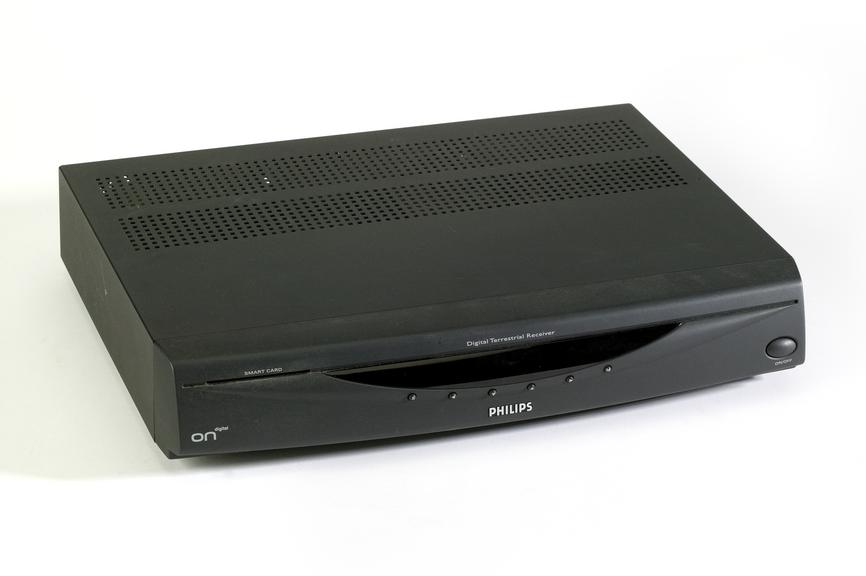
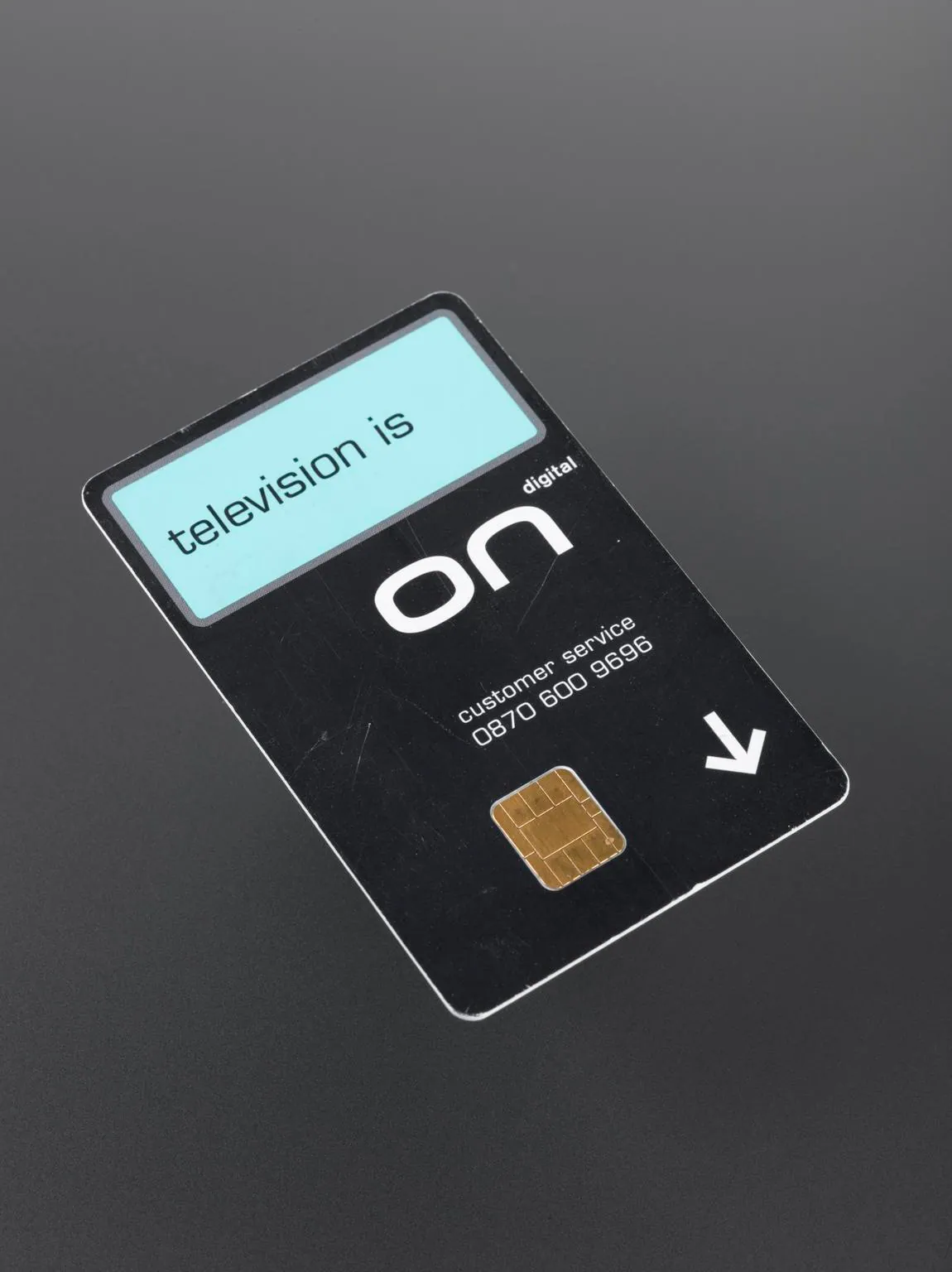
An ONdigital viewing card, used to unlock subscription channels.
Science Museum Group Collection
licensed
View original image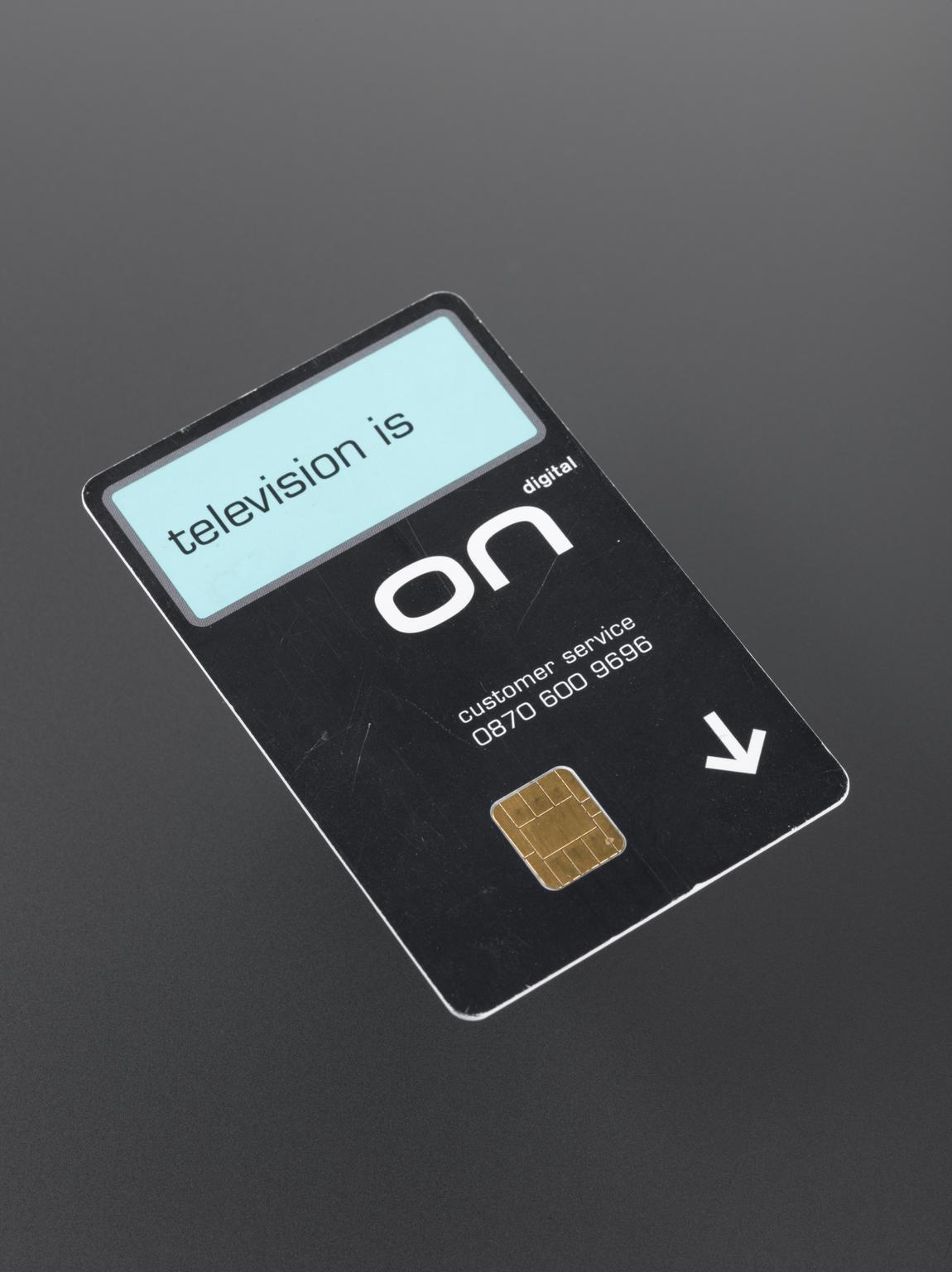
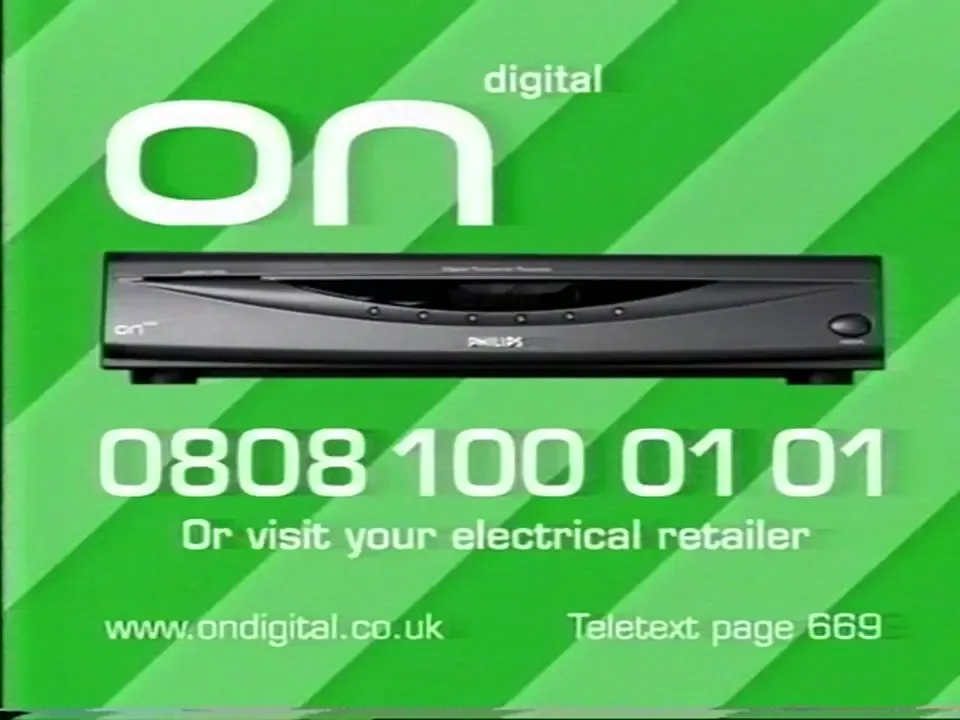
An ONdigital television advert promoting the service and its set-top box.
TV Whirl
editorial review
View original image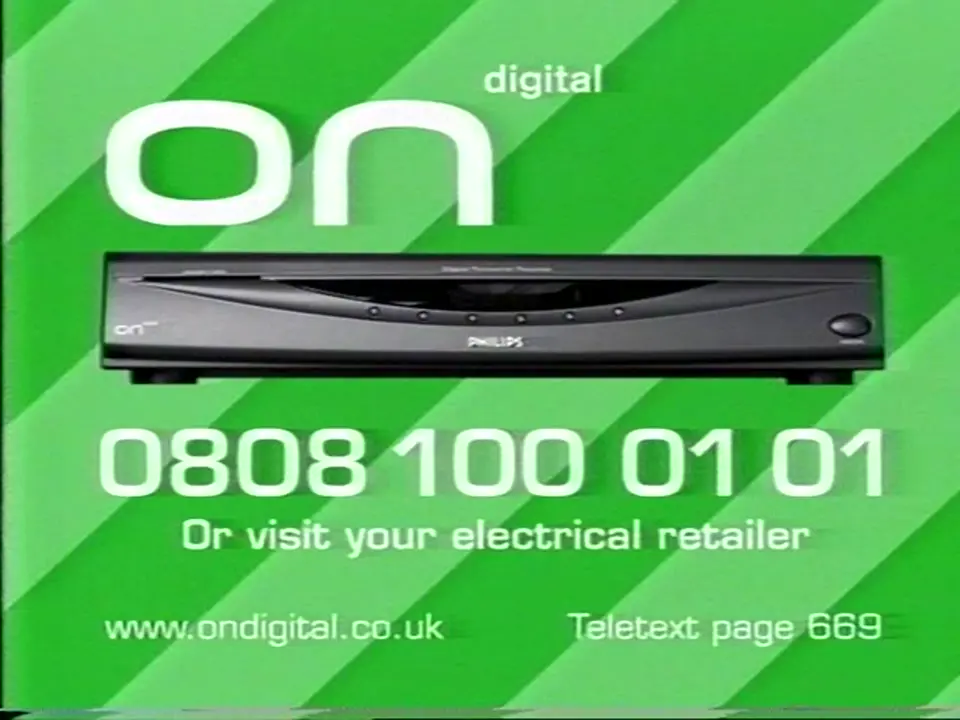
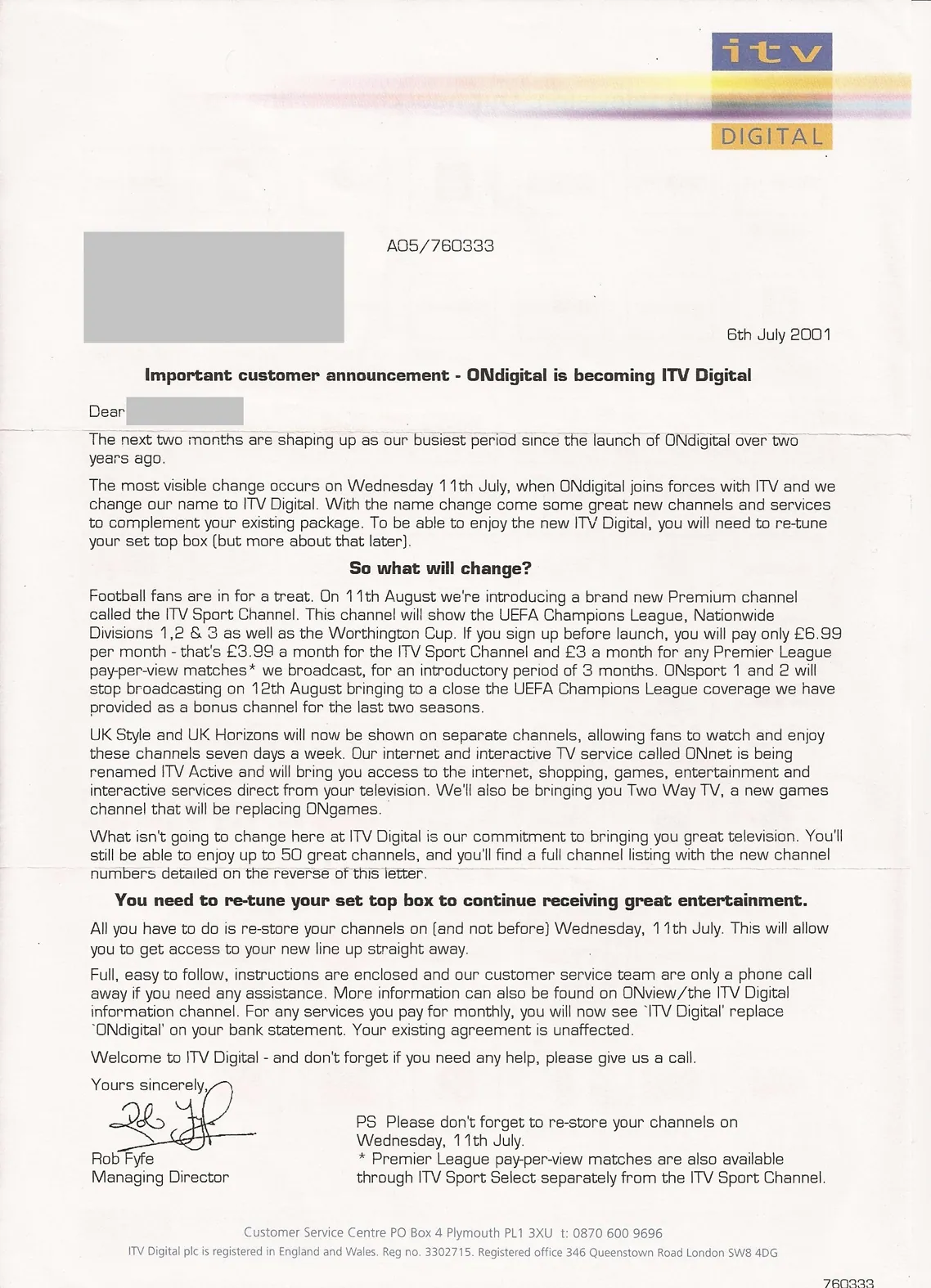
A customer letter announcing ONdigital’s change of name to ITV Digital in 2001.
Media On History
editorial review
View original image