Motorail
Forgotten Vehicles & Transport · 1955–2005
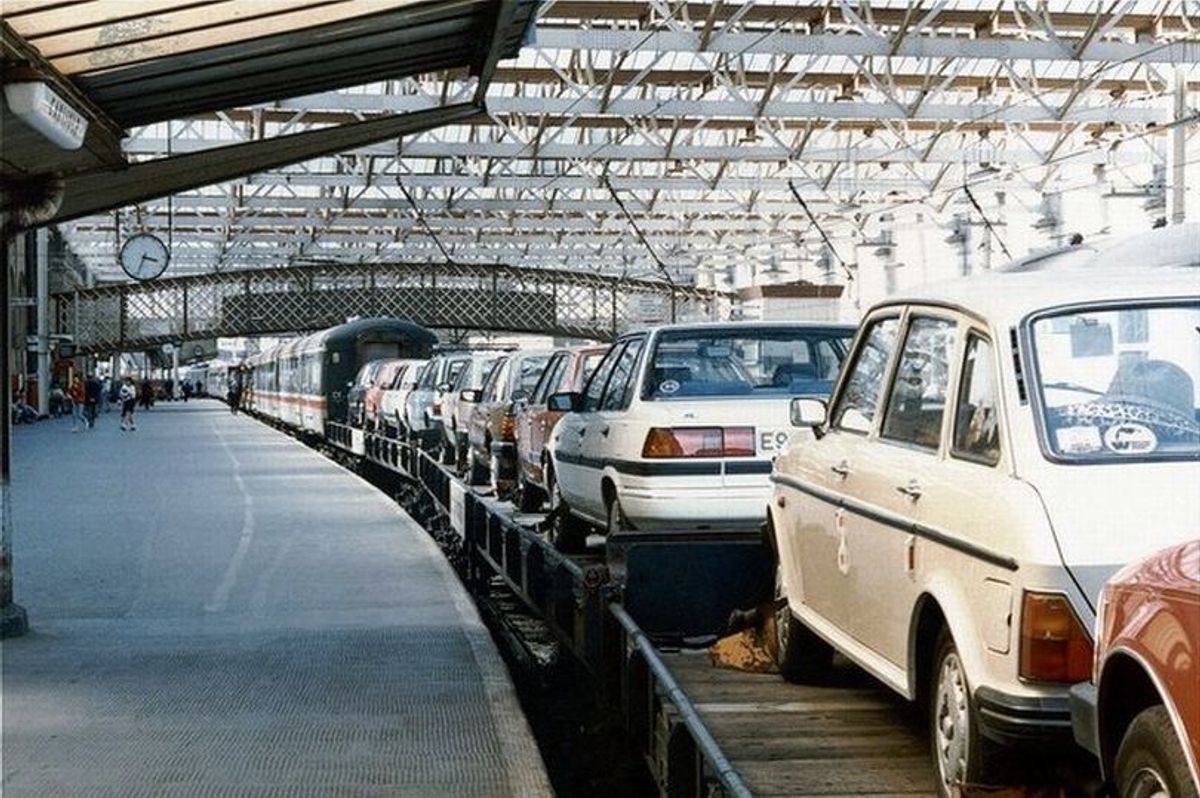
Motorail carried holidaymakers and their cars across Britain by train from 1955, often using sleepers. Drivers handed their cars to railway staff, travelled in seats or sleeping compartments, then collected the vehicles at their destination. Loading methods, rolling stock and passenger arrangements varied by route and period. British Rail unified the services under the Motorail name in 1966 and officially withdrew them in 1995. First Great Western revived the idea between Paddington and Penzance in 1999, with the later service ending in 2005.
History
Drivers handed their cars to railway staff, travelled in seats or sleeping compartments, then collected the vehicles at their destination. Loading methods, rolling stock and passenger arrangements varied by route and period.
History
British Rail unified the services under the Motorail name in 1966 and officially withdrew them in 1995. First Great Western revived the idea between Paddington and Penzance in 1999, with the later service ending in 2005.
Significance
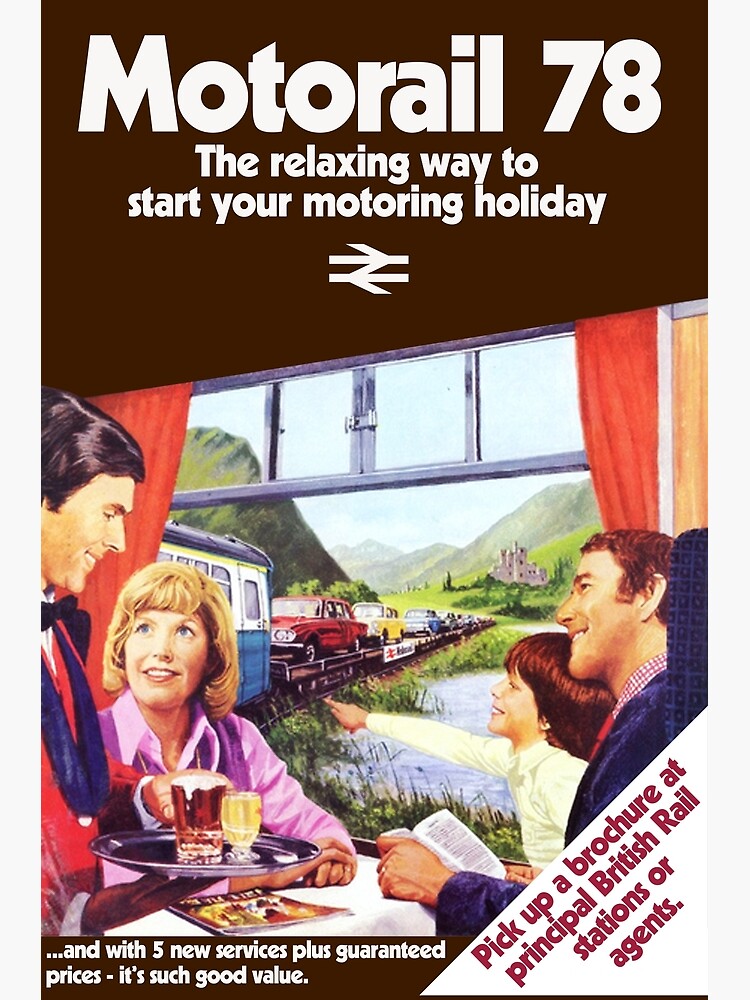
Motorail let families avoid a long trunk-road drive while keeping their own car for the holiday. Its car carriers, sleepers and dedicated terminals joined two kinds of travel in one journey, while British Rail’s advertising presented the train ride as the beginning of the break rather than merely the route to it.
1. Carriers and Loading Methods
- Covered vans, flat wagons and double-deck transporters carried customers’ cars in different periods.
- British Railways introduced twin-deck car carriers during summer 1961, increasing carrying capacity.
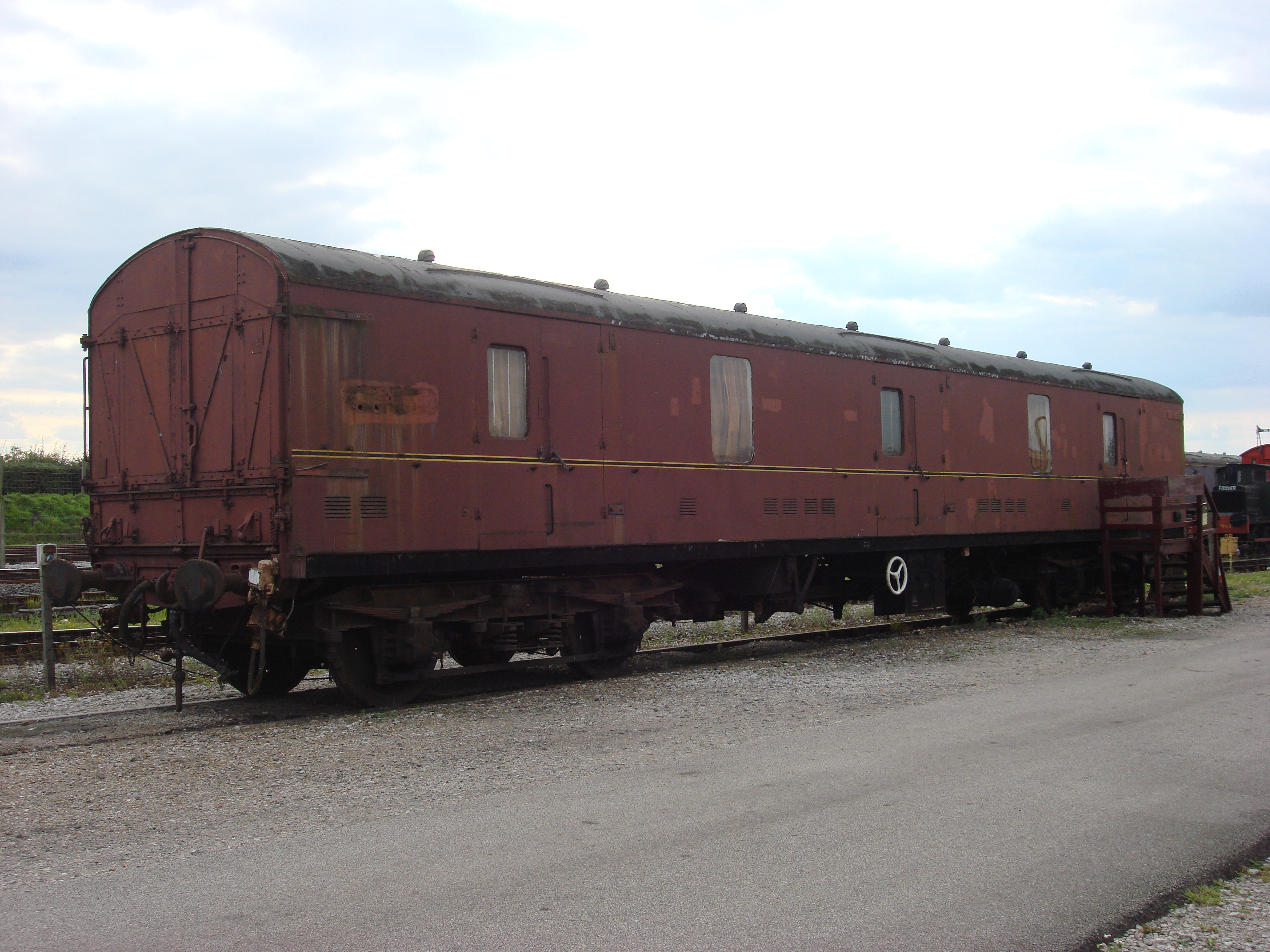
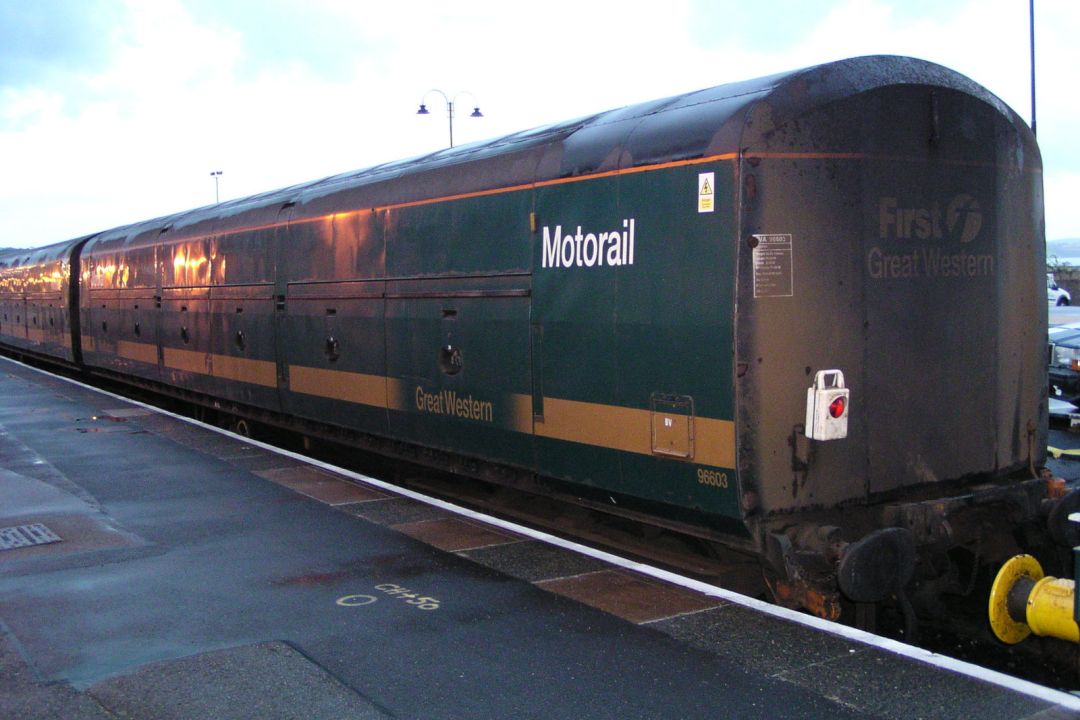
- First Great Western’s 1999 revival used two converted side-loading parcels vans with space for six cars.
2. Launches, Withdrawal and Revival
- The post-war scheduled network began on 19 June 1955 with a King’s Cross–Perth car-carrier and sleeper service.
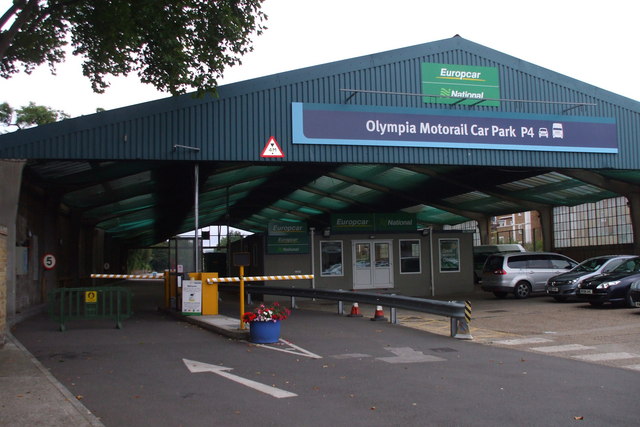
- British Rail launched the unified Motorail brand and opened its purpose-built Kensington Olympia terminal on 24 May 1966.
- British Rail’s remaining Motorail services were officially withdrawn on 28 May 1995; the final train has not been identified by an operating record.
- First Great Western began full operation of its separate Paddington–Penzance revival on 15 August 1999.
3. Use, Decline and Distinctions
- Hansard recorded 17,600 cars carried in 1993–94, equal to 48 per cent of available capacity, alongside disagreement over costs and savings.
- Lower use, specialist rolling stock and terminals, improved roads and cars, faster InterCity trains and changing holiday patterns may all have contributed to the decline.
- Motorail carried passengers’ own cars and was distinct from vehicle freight trains and Channel Tunnel shuttle operations.
Key facts
**Associated With:** British Railways / British Rail - original network operator and Motorail brand launcher; First Great Western - revival operator
**Defining Feature:** Passengers’ cars travelled by train while their owners rode in seats or sleeping compartments
**Status:** Discontinued
Associated With
British Railways / British Rail - original network operator and Motorail brand launcher; First Great Western - revival operator
Defining Feature
Passengers’ cars travelled by train while their owners rode in seats or sleeping compartments
Status
Discontinued
4. Primary Records
- [**Motorail and Sleeper Service to West Highlands — Hansard, 27 March 1995**](https://hansard.parliament.uk/Lords/1995-03-27/debates/1cf7e7bc-189a-4f9e-84ea-4283d59fe6fc/MotorailAndSleeperServiceToWestHighlands)
- [**South West Branch Newsletter No. 18, September 1999**](https://www.railfuture.org.uk/display3642)
Image Sources
- [**Image 1**](https://commons.wikimedia.org/wiki/File:Railway_Station,_Carlisle_-_geograph.org.uk_-_508586.jpg) — Dave Hitchborne / Railway Station, Carlisle / Geograph, CC BY-SA 2.0; resized and cropped reproduction — Licence: https://creativecommons.org/licenses/by-sa/2.0/
- [**Image 2**](https://commons.wikimedia.org/wiki/File:General_Utility_Vehicle_93450.jpg) — Oxyman / General Utility Vehicle 93450 / Wikimedia Commons, CC BY 2.5 — Licence: https://creativecommons.org/licenses/by/2.5/
- [**Image 3**](https://www.geograph.org.uk/photo/1443634) — Phillip Perry / Kensington Olympia Motorail Terminal (former) / Geograph, CC BY-SA 2.0 — Licence: https://creativecommons.org/licenses/by-sa/2.0/
- [**Image 4**](https://www.redbubble.com/i/poster/BRITISH-RAIL-MOTORAIL-ADVERT-by-ThrowbackAds/145902937/flk2)
- [**Image 5**](https://commons.wikimedia.org/wiki/File:NVA_96603_at_Penzance.jpg) — Phil Scott (Our Phellap), CC BY-SA 3.0; via Wikimedia Commons; cropped reproduction — Licence: https://creativecommons.org/licenses/by-sa/3.0/
Rights Notice
Images are included for historical and archival reference.
Rights holders may contact Forgotten Archive through the publishing account to request a credit correction or removal.
Gallery and image credits