Ghostwatch
Forgotten TV & Film · 1992
Published
Ghostwatch was a 1992 BBC Screen One drama that made a scripted haunting look like live television.
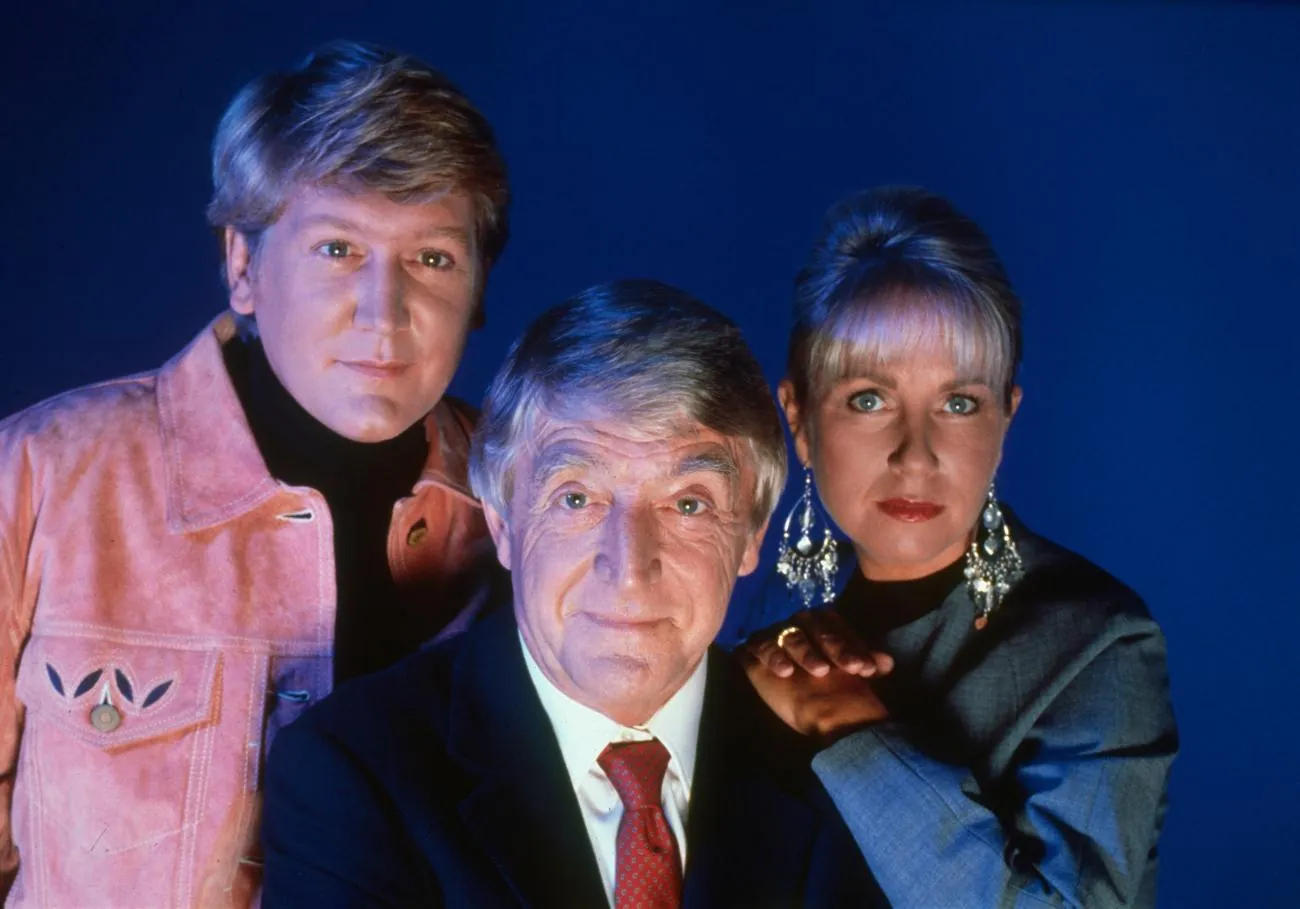
Familiar presenters and a phone-in made the investigation feel like an ordinary BBC broadcast. Handheld footage and awkward camera movements added to the illusion. Sarah Greene reported from inside the family’s supposedly haunted home. Craig Charles interviewed people outside while Michael Parkinson anchored the studio.
The opening credits identified it as a drama, but some viewers believed they were watching a real investigation. The Broadcasting Standards Council received 35 formal complaints and later ruled that the BBC’s warnings were inadequate. Home-video releases and anniversary screenings brought it to new audiences.
Why It Mattered
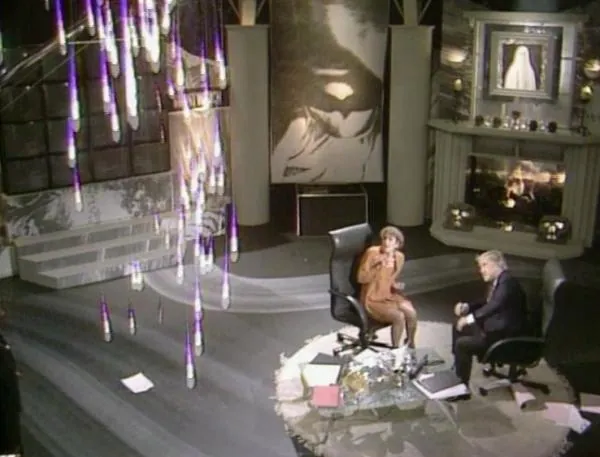
The programme exposed how much viewers’ trust depended on familiar faces and broadcasting conventions. A studio discussion, a phone-in and an apparent technical fault could make fiction feel credible even when drama credits were present. As the haunting appeared to reach the studio itself, the broadcast became part of the threat.
Its reputation outlasted the initial controversy. DVD and Blu-ray releases brought Ghostwatch to new audiences, while anniversary screenings kept its reputation alive. Even knowing it was fiction, viewers could still find themselves drawn into the illusion.
Making a Drama Look Live
- Stephen Volk wrote Ghostwatch, Lesley Manning directed it and Ruth Baumgarten produced it for BBC Films.
- The 91-minute Screen One special was first transmitted on BBC1 on Saturday 31 October 1992.
- The drama moved between Michael Parkinson and Dr Lin Pascoe in the studio, Mike Smith handling a purported phone-in, and reports from the Early family’s home.
- Videotape, handheld cameras, long takes, restrained performances and apparent technical mistakes reproduced the language of live factual television.
Fictional Markers and Viewer Response
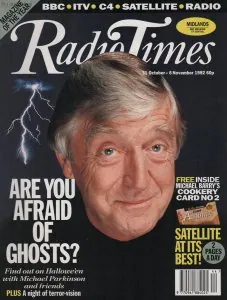
- The Screen One identification and writing credit appeared before the investigation; a reproduced Radio Times description also called it a special drama.
- The Broadcasting Standards Council received 35 formal complaints and later found that the BBC’s warnings were inadequate, although it accepted that the programme had been trailed as drama.
- A 1994 BMJ report described two ten-year-old boys diagnosed by its authors under the clinical criteria cited at the time; it does not establish a population-wide effect or sole causation.
- No accessed source establishes the later claim that Ghostwatch was formally banned for ten years.
Home Media and Anniversary Revival
- The BFI released Ghostwatch on DVD in 2002; its retrospective says the programme had not received a repeat broadcast before that release.
- The BBFC records further physical-media and VOD/streaming classification activity in 2011.
- A 30th-anniversary 101 Films Blu-ray edition with commissioned artwork appeared in 2022.
- The BFI documented 30th-anniversary presentations at BFI Southbank and elsewhere in the United Kingdom during 2022.
Associated With
BBC Films - production company; Stephen Volk - writer; Lesley Manning - director
Defining Feature
A scripted ghost story presented in the visual language of live factual television
Status
Preserved - survives through catalogue records, home-media editions and retrospective screenings
Primary Records
Image Sources
Rights Notice
Images are included for historical and archival reference.
Rights holders may contact Forgotten Archive through the publishing account to request a credit correction or removal.
Gallery
Credit
junkyard.blog
Licence
Historical Ephemera
Displayed for commentary and research. Fair dealing under the UK CDPA 1988 applies only where its conditions are met. No permission for reuse is granted.
Caption
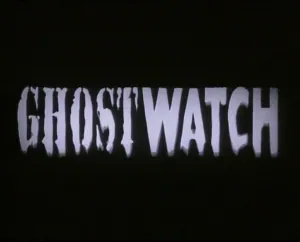
Ghostwatch used the familiar format of a live television investigation to tell a fictional ghost story.
Credit
junkyard.blog
Licence
Historical Ephemera
Displayed for commentary and research. Fair dealing under the UK CDPA 1988 applies only where its conditions are met. No permission for reuse is granted.
Caption
“Are you afraid of ghosts?” Michael Parkinson on the Radio Times cover promoting Ghostwatch.
Credit
www.bfi.org.uk
Licence
Historical Ephemera
Displayed for commentary and research. Fair dealing under the UK CDPA 1988 applies only where its conditions are met. No permission for reuse is granted.
Caption
Mike Smith, Michael Parkinson and Sarah Greene: familiar television faces who helped make Ghostwatch’s fictional investigation feel credible.
Credit
junkyard.blog
Licence
Historical Ephemera
Displayed for commentary and research. Fair dealing under the UK CDPA 1988 applies only where its conditions are met. No permission for reuse is granted.
Caption
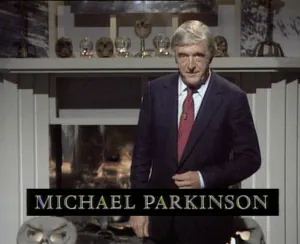
Michael Parkinson introduces Ghostwatch, lending his familiar broadcasting presence to an increasingly unsettling story.
Credit
www.bfi.org.uk
Licence
Historical Ephemera
Displayed for commentary and research. Fair dealing under the UK CDPA 1988 applies only where its conditions are met. No permission for reuse is granted.
Caption
Video interference disrupts the studio picture as the haunting appears to spread beyond the house and into the broadcast itself.