Yumemi Kobo was a 2004 Japanese bedside machine designed to help users approach a chosen dream.
Users studied a photograph, recorded three keywords, chose music and added fragrance before sleep. The machine then faded its light and sound, replayed audio later and brightened towards waking.
Takara developed it with dream researcher Eiko Matsuda and warned that results varied. It reached the Japanese market, but later testers did not obtain their selected dreams. The product is now discontinued, although its exact withdrawal date is unknown.
History
Users studied a photograph, recorded three keywords, chose music and added fragrance before sleep. The machine then faded its light and sound, replayed audio later and brightened towards waking.
History
Takara developed it with dream researcher Eiko Matsuda and warned that results varied. It reached the Japanese market, but later testers did not obtain their selected dreams. The product is now discontinued, although its exact withdrawal date is unknown.
Significance
Yumemi Kobo turned the private, unpredictable act of dreaming into an unusually elaborate consumer ritual, complete with a photograph, spoken prompts, scent, music and a dream diary. It captured Takara’s early-2000s push beyond children’s toys into attention-grabbing products for adults.
Its unusual premise brought publicity, but its limits became part of the story. Former developer Takashi Osawa later recalled that it made money yet fell far short of the company’s high expectations, leaving it as a memorable example of consumer technology reaching for something it could not reliably control.
Announcement and Release Timeline
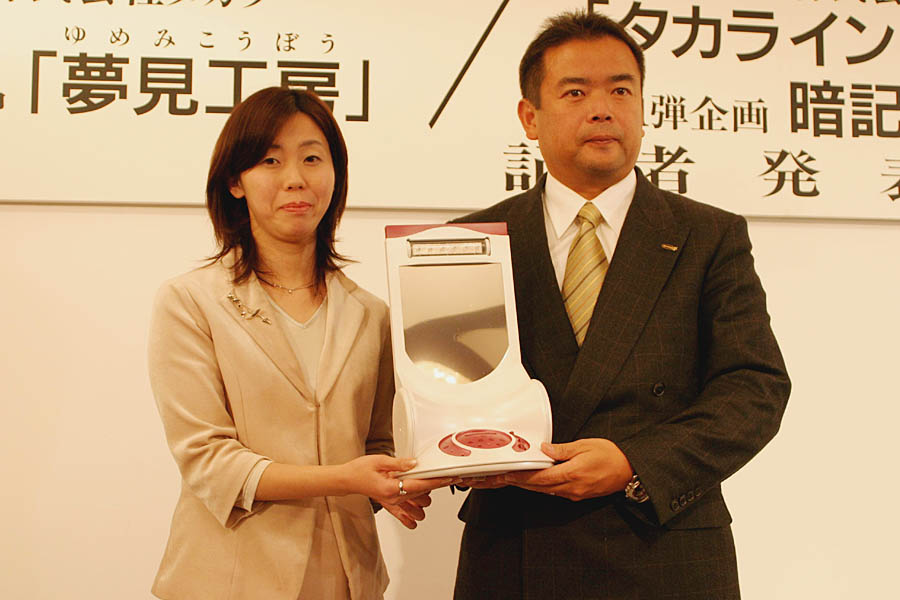
- Takara announced Yumemi Kobo on 14 January 2004 and demonstrated it to the press in Tokyo, initially proposing a late-May launch.
- BIGLOBE accepted reservations through 21 June and scheduled customer shipments to begin on 25 June 2004.
- By September 2004, GAME Watch was testing a commercially released retail unit, although the exact first nationwide shop date remains unknown.
Price, Package and Hardware
- Takara proposed a price of ¥14,800 before tax; BIGLOBE and the September retail review listed ¥15,540, with BIGLOBE including tax and delivery.
- The retail package included aroma material, a dream diary, an AC adaptor and instructional material.
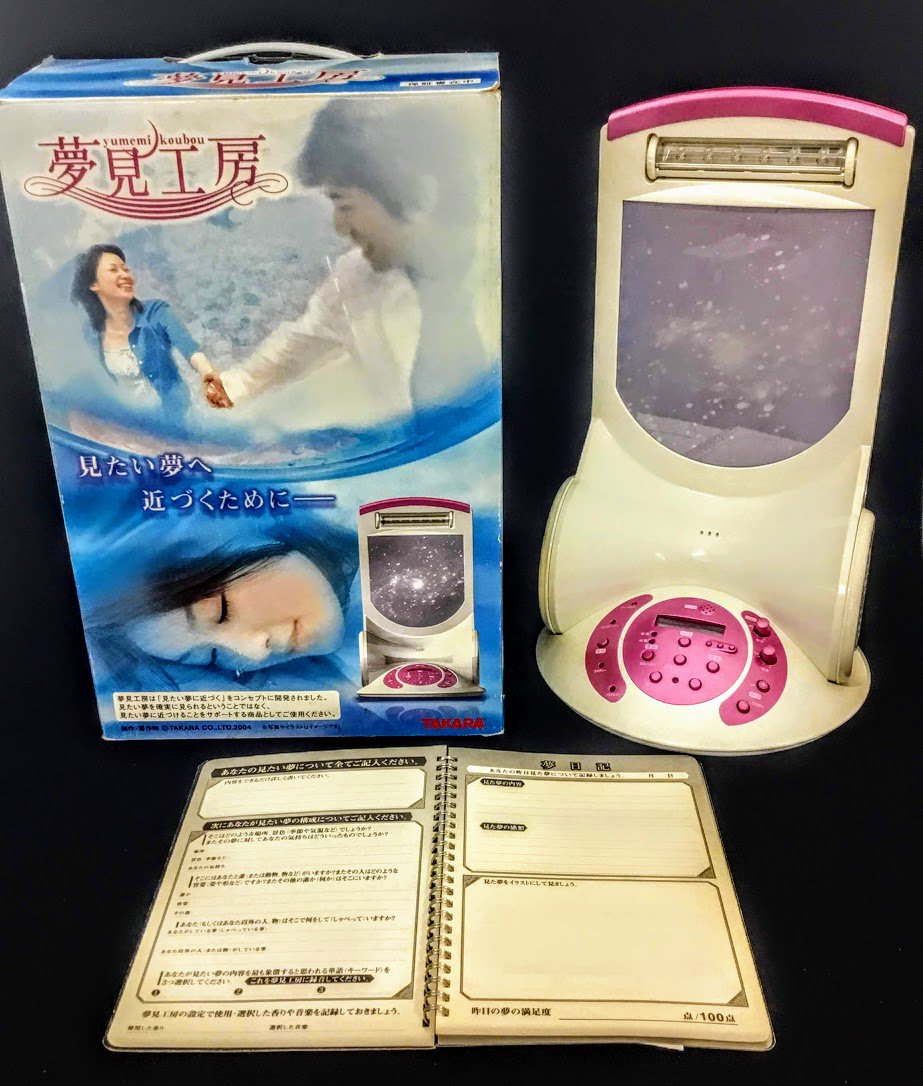
- The mains-powered machine had a tall white-and-pale-pink body, an illuminated photograph panel, a small display, labelled controls and an aroma drawer.
Testing, Targets and Market Reach
- Eiko Matsuda reported a small study involving ten adults and a Yumemi Kobo prototype during February and March 2004.
- Takara warned that results varied between users, while later hands-on writers did not obtain their selected dreams.
- The official first-year target was 300,000 units, not an achieved sales total; Takashi Osawa later recalled that the product earned money but disappointed the company’s high expectations.
- Commercial release took place in Japan. A reported expectation of American shops in early 2005 did not amount to a confirmed United States launch.
Key facts
**Region:** Japan
**Associated With:** Takara Co., Ltd. - manufacturer and marketer
**Defining Feature:** A pre-sleep routine combining a photograph, recorded keywords, music, fragrance and timed light
**Status:** Discontinued - exact withdrawal date unknown
Region
Japan
Associated With
Takara Co., Ltd. - manufacturer and marketer
Defining Feature
A pre-sleep routine combining a photograph, recorded keywords, music, fragrance and timed light
Images are included for historical and archival reference.
Rights holders may contact Forgotten Archive through the publishing account to request a credit correction or removal.
Takara Yumemi to Takara (manufacturer); Takara Tomy (archival source)
Licence
Historical Ephemera
Displayed for commentary and research. Fair dealing under the UK CDPA 1988 applies only where its conditions are met. No permission for reuse is granted.
Caption
Takara's Yumemi Kobo dream machine, released in Japan in 2004, pictured with its original packaging and accompanying dream journal.
Displayed for commentary and research. Fair dealing under the UK CDPA 1988 applies only where its conditions are met. No permission for reuse is granted.
Caption
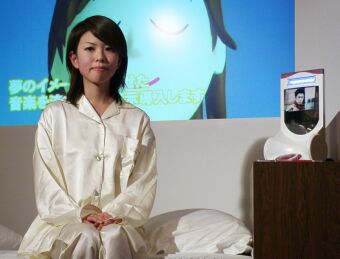
A demonstration of Takara's Yumemi Kobo in January 2004 showed how the bedside device was intended to influence dreams through light, sound and fragrance.
Displayed for commentary and research. Fair dealing under the UK CDPA 1988 applies only where its conditions are met. No permission for reuse is granted.
Caption
Presenters display Takara's Yumemi Kobo at its January 2004 announcement in Japan, introducing a consumer device marketed around the possibility of influencing dreams.