Yo
Forgotten Apps · 2014
Published
Yo arrived in 2014 with an idea so simple it sounded almost like a joke: tap a name and send that person the word “Yo.” Beneath that single button was a notification platform that could also carry a link, allowing publishers, shops and other services to turn a Yo into an alert.
Why It Mattered
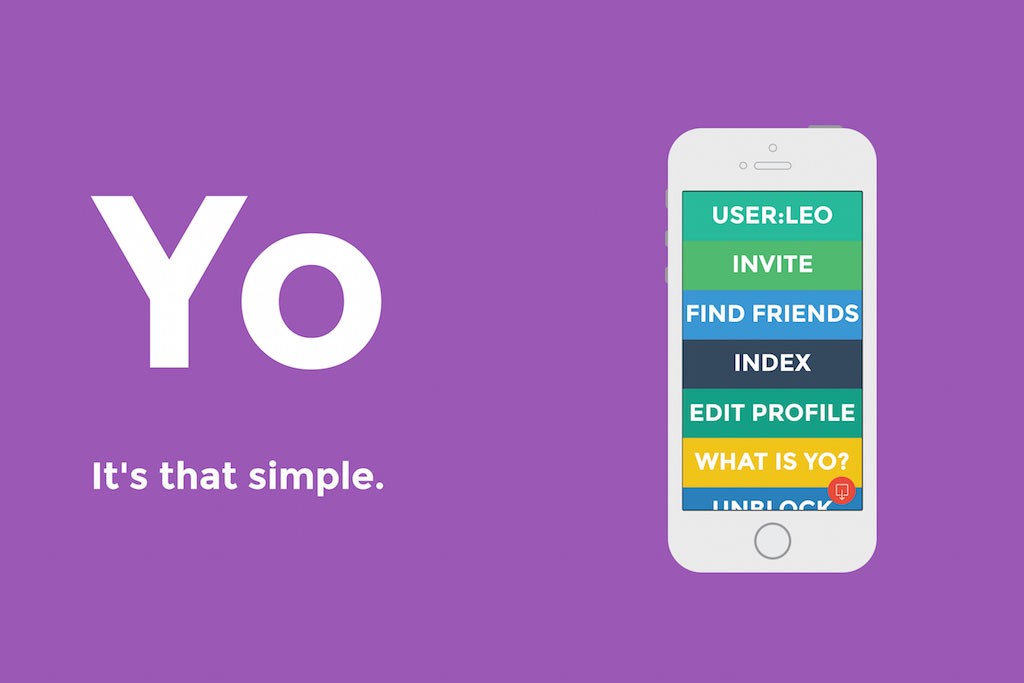
Its charm came from doing almost nothing. Yo showed how a deliberately limited app could become both a social signal and a useful trigger without filling the screen with menus, messages or explanation.
Core signal
- The app used a short push notification identified as a Yo.
- Subscription began when a user Yo’d a service account.
Developer API
- The May 2014 API used a single endpoint for basic sends.
- Services could notify all subscribers or a specific username and could attach a link.
Platform additions
- A 2014 developer challenge documented link and location features.
- The challenge invited one-tap service integrations through the Yo API.
Associated With
Yo; individual creator not established by the retained records - creator or operator, brand
Defining Feature
A one-tap push notification carrying the word “Yo”
Status
Historical app - Operating as an app and developer platform in 2014
Primary Records
Image Sources
- All two image sources are not yet verified — editorial review required.
Rights Notice
Images are included for historical and archival reference.
Rights holders may contact Forgotten Archive through the publishing account to request a credit correction or removal.
Gallery
Credit
Yo promotional graphic; reproduced on Dustin Coates's blog
Licence
Historical Ephemera
Displayed for commentary and research. Fair dealing under the UK CDPA 1988 applies only where its conditions are met. No permission for reuse is granted.
Caption
Yo's promise, 'It's that simple', made its single-word message the entire selling point: a deliberately minimal alternative to increasingly complex social apps.