SR-71 Blackbird
Forgotten Engineering · 1964–1990
Published
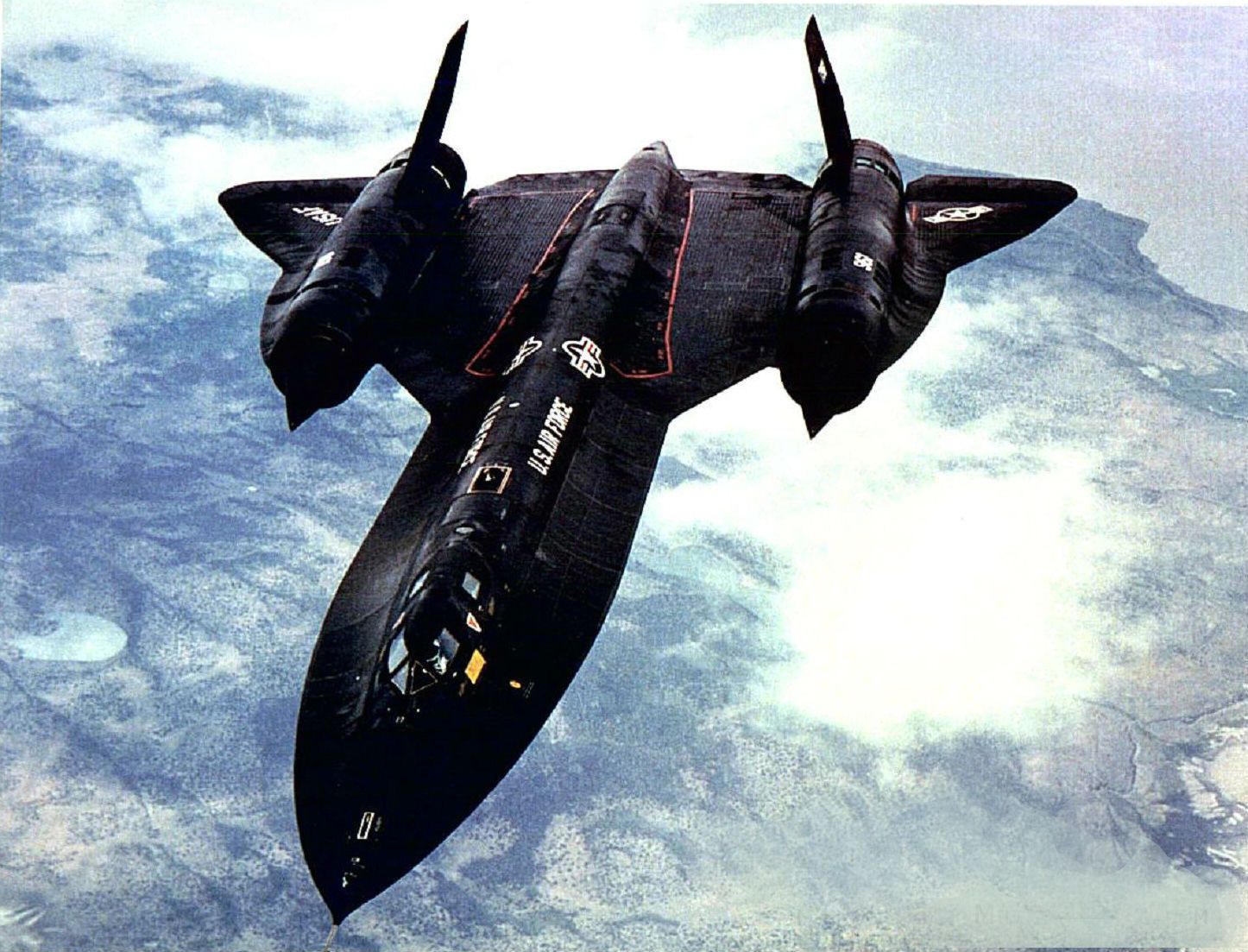
The Lockheed SR-71 Blackbird first flew on 22 December 1964 and entered service in 1966. Built for high-altitude reconnaissance, the black, needle-shaped aircraft carried two crew members above 80,000 feet at more than three times the speed of sound. Its two Pratt & Whitney J58 engines helped turn extreme speed into its principal defence.
Why It Mattered
The Blackbird pushed an operational aircraft into conditions that still sound futuristic. From 80,000 feet it could survey around 100,000 square miles in an hour, gathering intelligence while flying too high and fast for most threats to reach it.
Airframe role
- The SR-71 was a long-range strategic reconnaissance aircraft developed by Lockheed.
- It carried a crew of two and no armament.
Performance
- Two Pratt & Whitney J58 engines powered the aircraft.
- The Air Force museum lists a maximum speed above Mach 3 and a ceiling above 85,000 feet.
Service record
- First flight occurred on 22 December 1964 and service delivery followed in January 1966.
- The US Air Force retired its SR-71 fleet on 26 January 1990.
Associated With
Lockheed - creator or operator
Defining Feature
Twin-engine, two-seat reconnaissance aircraft capable of flight above Mach 3
Status
Discontinued - Entered US Air Force service in January 1966; the Air Force fleet was retired on 26 January 1990
Primary Records
Image Sources
- All one image sources are not yet verified — editorial review required.
Rights Notice
Images are included for historical and archival reference.
Rights holders may contact Forgotten Archive through the publishing account to request a credit correction or removal.
Gallery
Credit
United States Air Force / Wikimedia Commons
Licence
Public domain
This image is recorded as public domain. Its source provides the provenance.
Caption
The SR-71 Blackbird's distinctive shape served a reconnaissance mission built around exceptional speed and altitude, making it an enduring symbol of Cold War aviation.