From the late 1980s, independent operators began installing their own public telephone kiosks across Britain. Mercury Communications was an early challenger, followed by Interphone and New World Payphones, each using distinctive colours, designs, tariffs and payment options to compete with BT.
By January 1999, Britain had approximately 1,700 Interphone boxes and 1,200 New World boxes. Their networks made telecommunications competition physically visible on the street, but the boom was short-lived. As mobile-phone ownership expanded, the independent networks disappeared or changed hands and most of their distinctive kiosks vanished.
Why It Mattered
Independent phone boxes briefly transformed a familiar public utility into a competitive consumer market. Callers could choose between visibly different networks offering their own prices, payment methods and branded street furniture.
They also marked the transition between the fixed public telephone and the mobile era. For a short period, Britain’s streets displayed competing visions of how public calling might develop—just before personal mobile phones made that competition increasingly irrelevant.
Independent Network Rollouts
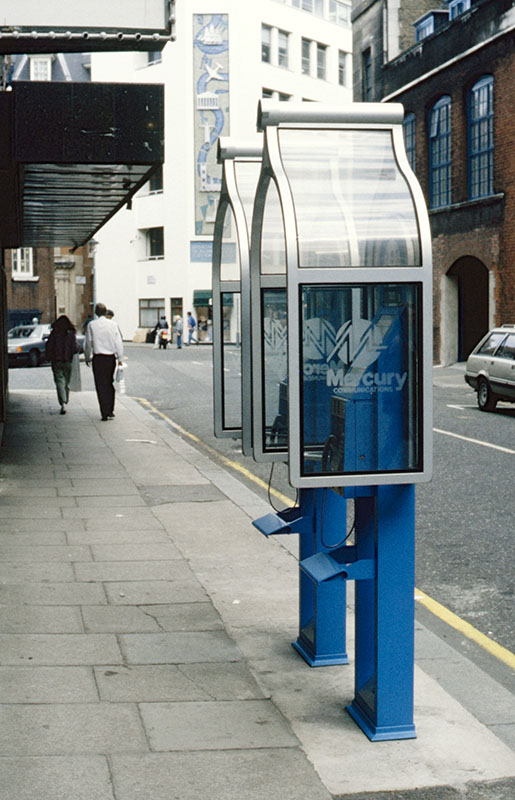
- Mercury’s distinctive public payphones were appearing in Britain by the late 1980s, including two photographed in central London in March 1989.
- IPM Communications acquired approximately 1,500 former Mercury payphone sites in 1995 and operated its British network under the Interphone name.
- New World’s public-phone rollout began in August 1996, although New World Payphones Limited had been incorporated in 1990.
Kiosk Designs
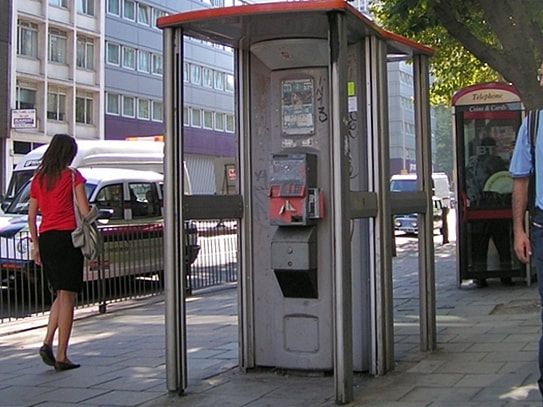
- Mercury used distinctive kiosks, including the Machin design seen on British streets during the late 1980s and early 1990s.
- Interphone installed grey-and-orange, glass-panelled kiosks with flat roofs.
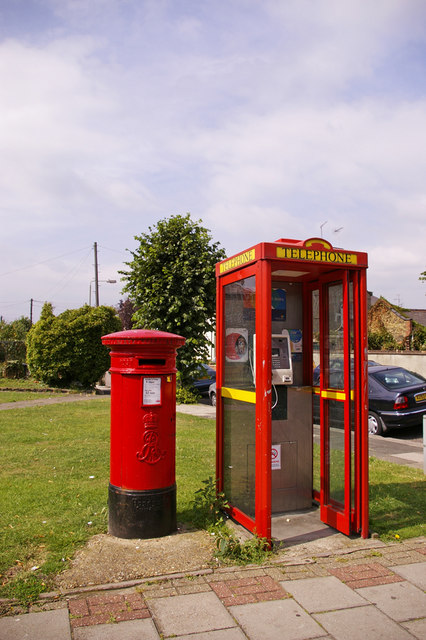
- New World used red-and-yellow MVM1000 kiosks, alongside black and heritage-style variants in selected locations.
Competing Networks
- In January 1999, approximately 1,700 Interphone boxes and 1,200 New World boxes were reported across Britain.
- The operators competed through local and national tariffs, locations and combinations of coins, credit cards, chargecards and prepaid systems.
- Their branded kiosks made the newly competitive telecommunications market visible in everyday public spaces.
- In July 1995, The Independent reported that IPM Communications had acquired approximately 1,500 former Mercury payphone sites.
- Interphone announced plans to invest £20 million and build a network of at least 10,000 units within five years; this was an ambition, not an achieved total.
- New World’s public-phone rollout began in August 1996, although New World Payphones Limited had been incorporated on 30 November 1990.
Kiosk Designs
- Interphone used grey-and-orange, glass-panelled kiosks with flat roofs.
- New World’s standard MVM1000 had a red body, yellow band, extensive glazing, a pyramid roof and an inward-opening folding door.
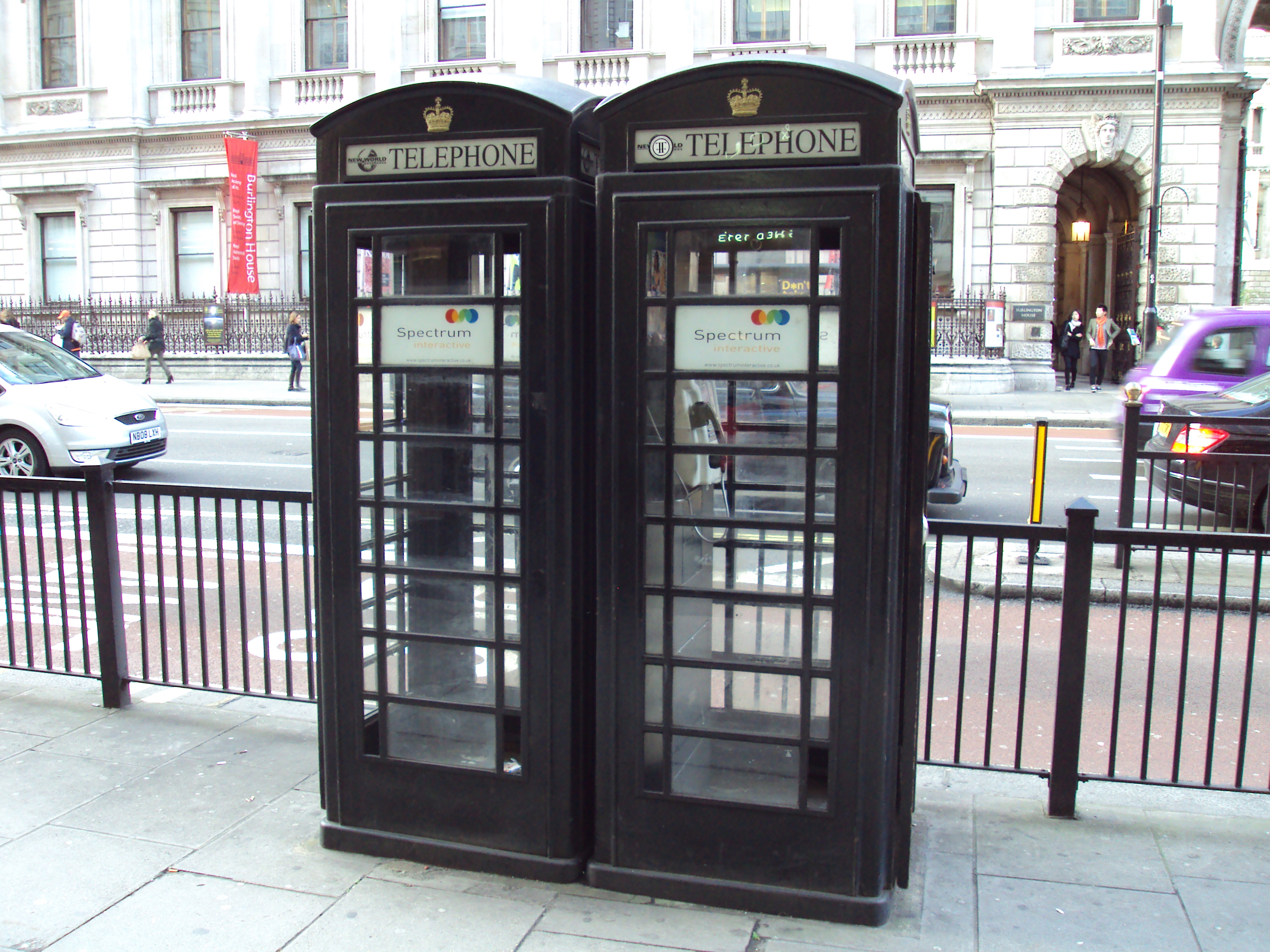
- New World also used black kiosks and, in Westminster, black-and-gold heritage-style boxes.
The Market in January 1999
- Reported local and national rates were 8p and 16p for New World, 8p and 15p for Interphone, and 8p and 14p for BT.
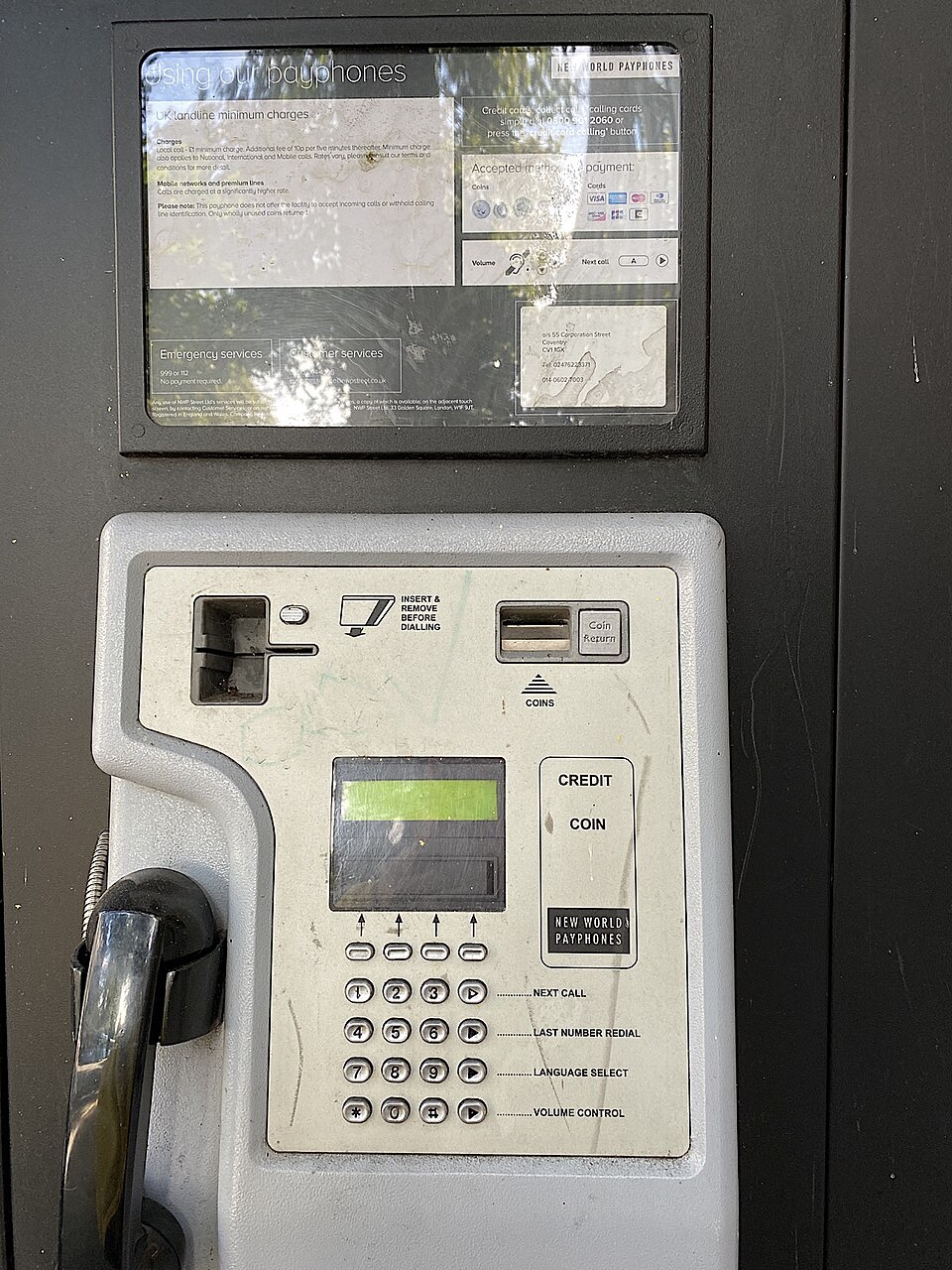
- New World accepted coins, major credit cards, Smartz cards, BT Chargecards and several international calling cards; Interphone accepted coins, credit cards and BT Chargecards.
- The Guardian reported approximately 1,200 New World boxes and approximately 1,700 Interphone boxes, but these operator figures were snapshots rather than a national census.
Associated With
Mercury Communications, Interphone and New World Payphones - independent public-payphone operators
Defining Feature
Competing public-phone networks distinguished by their kiosks, tariffs and payment systems
Status
Defunct - the principal independent networks disappeared or changed hands
Images are included for historical and archival reference.
Rights holders may contact Forgotten Archive through the publishing account to request a credit correction or removal.
Displayed for commentary and research. Fair dealing under the UK CDPA 1988 applies only where its conditions are met. No permission for reuse is granted.
Caption
Mercury’s blue public-phone housing gave a competing telephone network a conspicuous presence on the street.
Displayed for commentary and research. Fair dealing under the UK CDPA 1988 applies only where its conditions are met. No permission for reuse is granted.
Caption
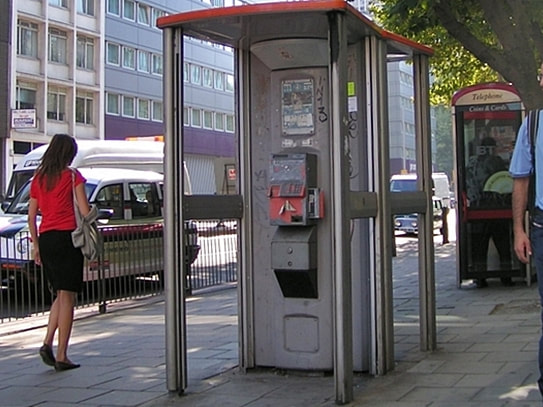
A weathered public telephone preserves the everyday setting in which Mercury’s service competed with established phone boxes.
Displayed for commentary and research. Fair dealing under the UK CDPA 1988 applies only where its conditions are met. No permission for reuse is granted.
Caption
Later New World Telephone and Spectrum Interactive branding shows how public-phone infrastructure could outlive its original operator’s identity.
See the licence terms for attribution, reuse and any other conditions.
Caption
A red telephone kiosk beside a post box on Friern Barnet Road preserves the older streetscape against which Britain's independent payphone operators competed.