The Great Emu War
A Military-Assisted Crop-Protection Campaign
Forgotten History · 1932
Archived on
Associated With
Australian Minister for Defence and a military party - associated person or organisation
Defining Feature
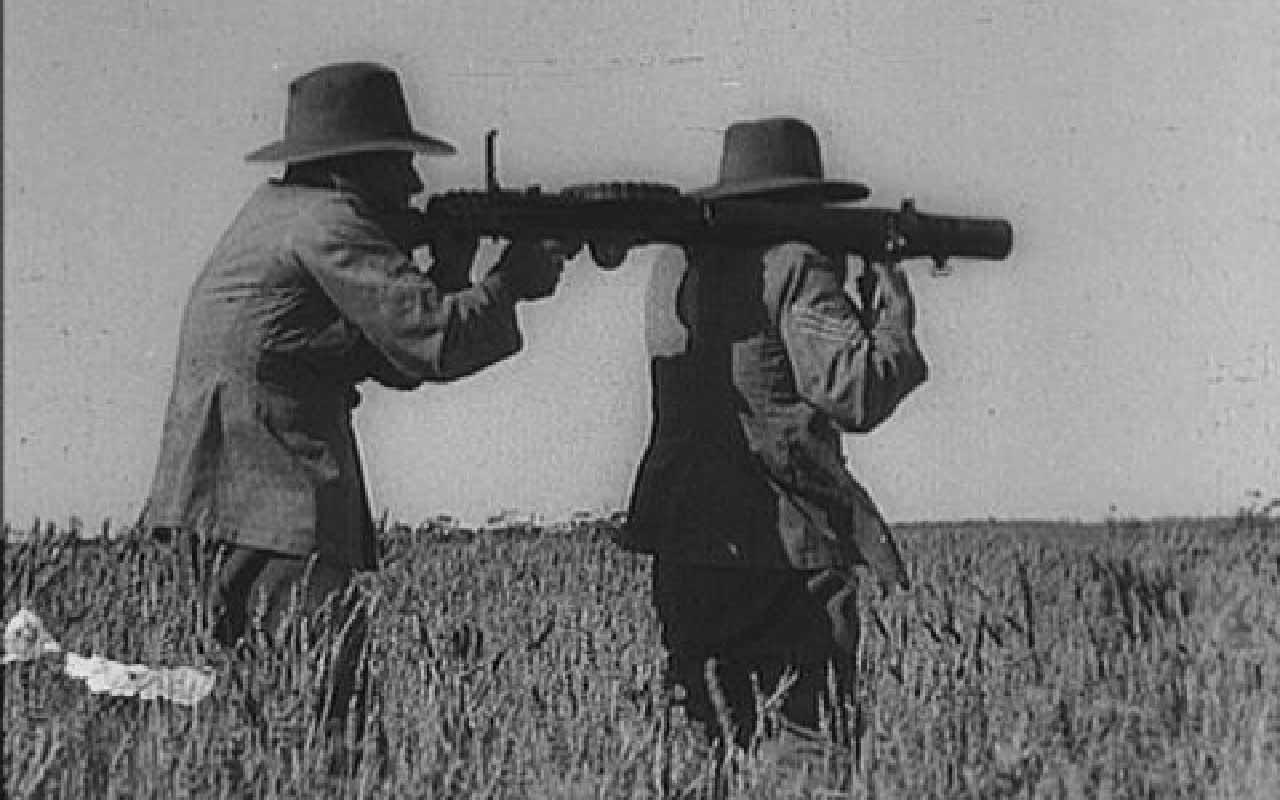
Use of Lewis guns against emus damaging Western Australian crops
Status
Historical event - Concluded historical pest-control operation debated in Federal Parliament
Overview
In November 1932, Australian soldiers were sent to Western Australia to protect wheat crops from emus.
Farmers in the Campion district had reported migrating emus damaging wheat, and their request for protection was sent from Western Australia to the federal government.
A small military party travelled with a truck and Lewis guns, but the birds scattered and proved much harder to kill than expected. The campaign was later criticised over its cost, animal welfare implications and limited practical results.
Why It Mattered
The operation is remembered for the use of military equipment against fast-moving wildlife. Behind the comic “war” label were farmers facing crop damage and a campaign criticised over its cost, animal welfare implications and limited results.
Crop-Protection Request
- Farmers in the Campion district reported that migrating emus were damaging wheat crops.
- Their request for protection was sent from Western Australia to the federal government.
Military Assistance
- The Minister for Defence authorised a military party equipped with a motor truck and Lewis guns.
- The Argus reported on 12 November 1932 that the machine-gun attack had resumed.
Public Debate
- The campaign was discussed in Federal Parliament by December 1933.
- A later account records criticism of its cost, animal welfare and practical results.
Sources & Records
- The Argus — Attack on Emus, 12 November 1932 — Reports the resumed campaign and Pearce’s approval for the military party to return to the wheat belt.
- The Star — parliamentary criticism of the Emu War, 27 December 1933 — Reports farmers’ appeals, the deployment of Lewis guns and subsequent criticism over cost, cruelty and limited results.
Gallery
Credit
Unknown photographer; Wazee Digital, via Wikimedia Commons
Licence
Public domain
This image is recorded as public domain. Its source provides the provenance.
Caption
A Lewis gun was deployed during Australia's Emu War, an unusual military response to agricultural damage that became remembered for the campaign's limited success.