Joe 90
The Supermarionation Boy Agent
Forgotten TV & Film · 1968
Archived on
Associated With
Gerry and Sylvia Anderson / Century 21 Productions - creator or production company
Defining Feature
Puppet spy series about a boy given transferred expert knowledge
Status
Discontinued - Original series ended in 1969; all thirty episodes survive through later releases
Overview
Joe 90 sent a nine-year-old boy on weekly missions using skills transferred through special glasses.
Created by Gerry and Sylvia Anderson and produced by Century 21, the British science-fiction series used the BIG RAT machine to give Joe McClaine a different specialist role for each assignment. Its world was built with puppets, miniatures, model vehicles and practical effects.
Thirty episodes were made during the 1968–1969 run. Production ended in 1969, and all thirty episodes survive through later restored releases.
Why It Mattered
The series combined Supermarionation, miniature effects and spy fiction around an unusually young protagonist. Its fantasy of transferable knowledge reflected late-1960s fascination with computers, automation and accelerated learning.
BIG RAT and the Glasses
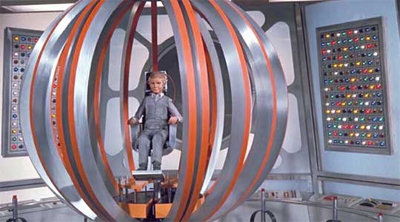
- BIG RAT stood for Brain Impulse Galvanoscope Record And Transfer.
- The machine transferred recorded expert knowledge to nine-year-old Joe McClaine through special glasses.
- The premise allowed Joe to adopt a new specialist role for each mission.
Century 21 Production
- Century 21 used puppets, miniature sets, model vehicles and practical effects.
- The programme followed Thunderbirds and Captain Scarlet during the studio’s peak period.
- Thirty episodes were made for the 1968–1969 run.
Production and Preservation
- Production ended in 1969 as Century 21 moved to The Secret Service and later live-action work.
- Soundtrack issues preserve the programme’s audio.
- All thirty episodes survive, including through restored DVD and Blu-ray editions.
Sources & Records
- Anderson Entertainment — Joe 90 soundtrack history — Dates the debut to September 1968 and describes Joe’s absorption of expert brain patterns.
- BFI — Gerry Anderson retrospective — Places Joe 90 in the 1968–1969 Supermarionation sequence and discusses the studio’s puppets and miniature effects.
Gallery
Credit
Joe 90 programme and DVD artwork; preserved in the supplied Amazon listing, individual artwork credit not established
Licence
Historical Ephemera
Displayed for commentary, criticism, research and historical documentation where permitted by applicable law. No permission for reuse is granted.
Caption
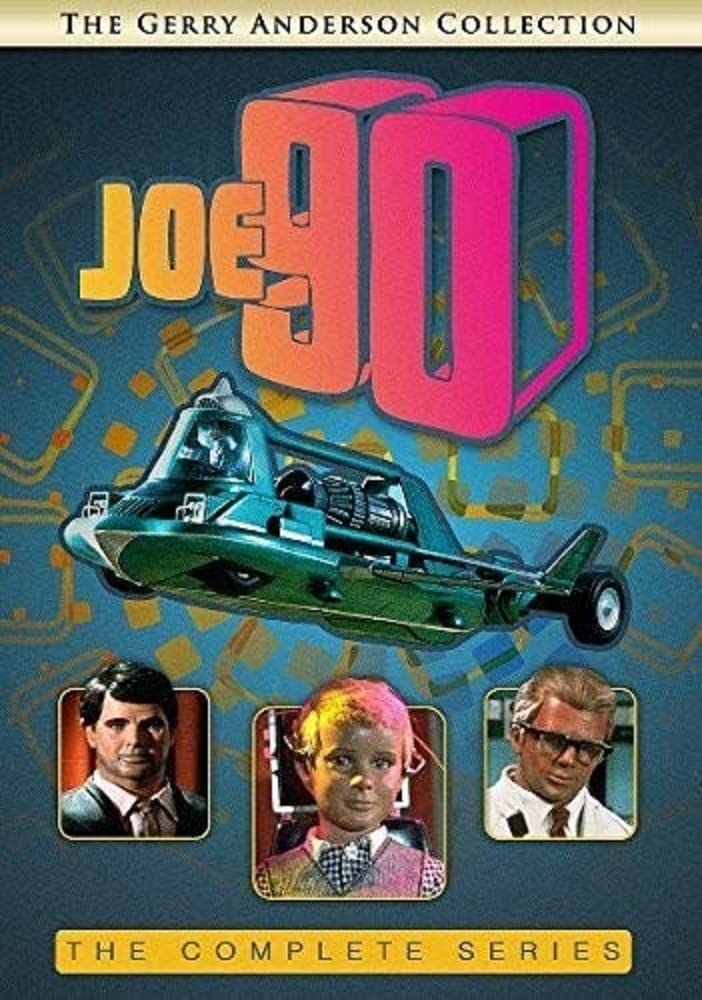
A home-video release presents Joe 90 as a collectible television classic, bringing Gerry and Sylvia Anderson's child-spy adventure to a later home-video audience.
Credit
Joe 90 programme still; reproduced by the m0vie blog
Licence
Historical Ephemera
Displayed for commentary, criticism, research and historical documentation where permitted by applicable law. No permission for reuse is granted.
Caption
Joe sits inside the BIG RAT, the machine that supplied the series' central idea: an ordinary schoolboy could acquire the knowledge needed for extraordinary missions.
Credit
National Science and Media Museum; individual photographer not identified
Licence
Historical Ephemera
Displayed for commentary, criticism, research and historical documentation where permitted by applicable law. No permission for reuse is granted.
Caption
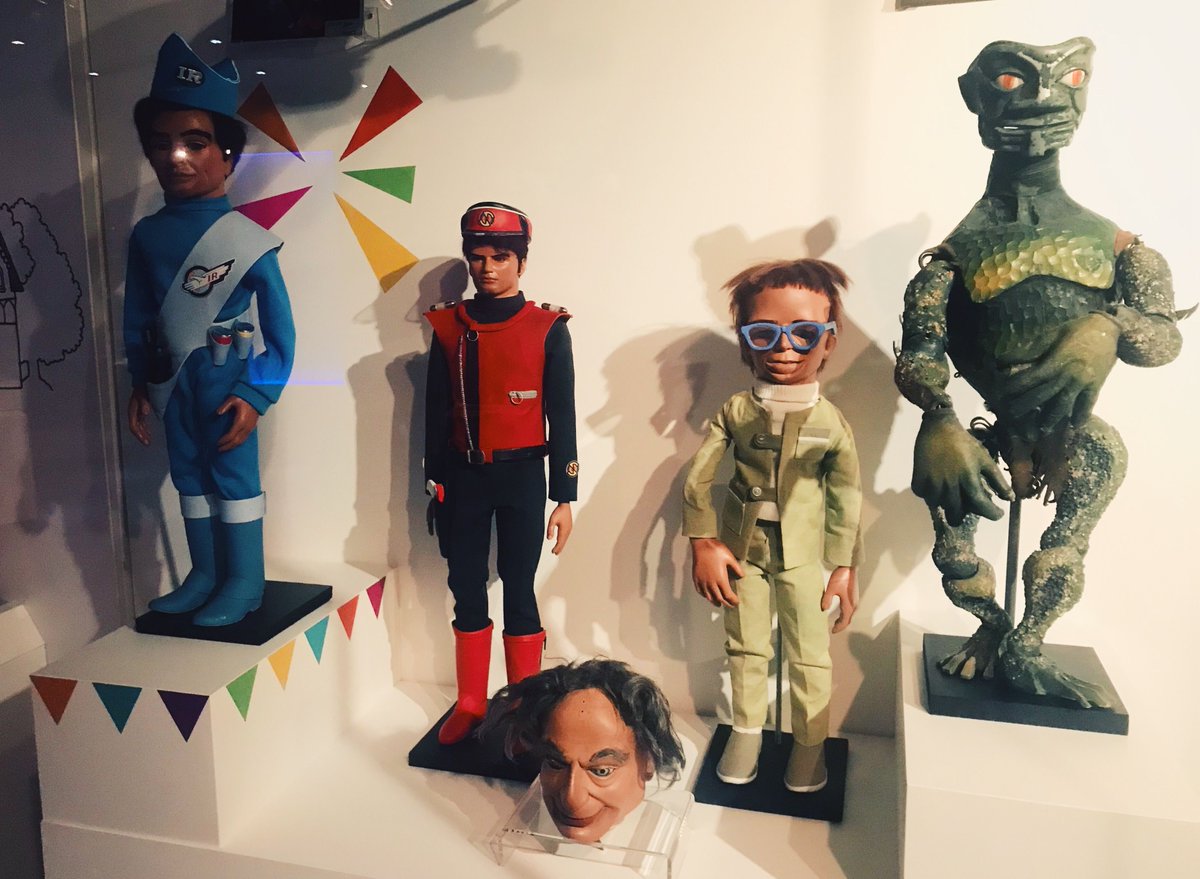
Anderson puppets displayed at the National Science and Media Museum preserve the physical craft behind television's Supermarionation worlds.
Credit
Thunderbirds cast photograph; photographer unknown. Reproduced in an eBay listing by seller Hokey Cokey Productions.
Licence
Historical Ephemera
Displayed for commentary, criticism, research and historical documentation where permitted by applicable law. No permission for reuse is granted.
Caption
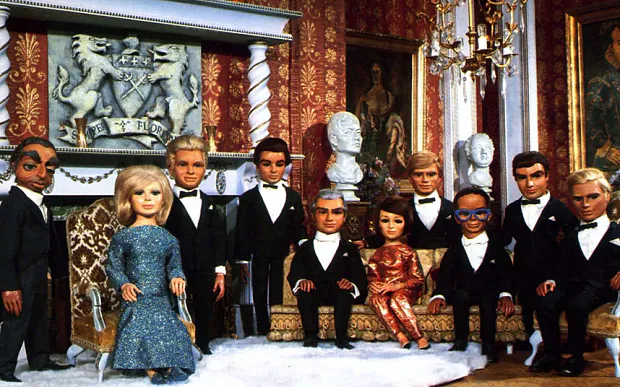
Thunderbirds' cast assembled for a formal portrait, showing the elaborate costumes and miniature sets that helped define Gerry Anderson's puppet television productions.