Lexmark Prebate and Return Program
Discounted Toner with Return Terms
Forgotten Engineering · 2002–2017
Archived on
Region
United States
Associated With
Lexmark International, Inc. - programme operator
Defining Feature
Discounted single-use cartridges returned only to Lexmark
Status
Ongoing - selected United States Return Program cartridges remain listed
Overview
Lexmark’s Prebate programme offered a toner discount in return for single-use and return terms.
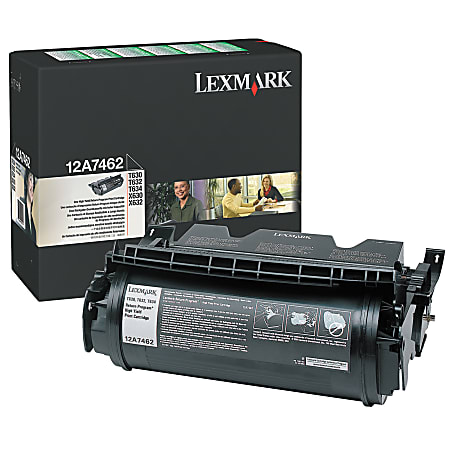
Launched in 1997 and later known as the Return Program, it offered discounted cartridges alongside unrestricted, full-price versions. Buyers agreed to use each discounted cartridge once and return the empty only to Lexmark. Remanufacturers nevertheless acquired used cartridges, refilled them and resold them.
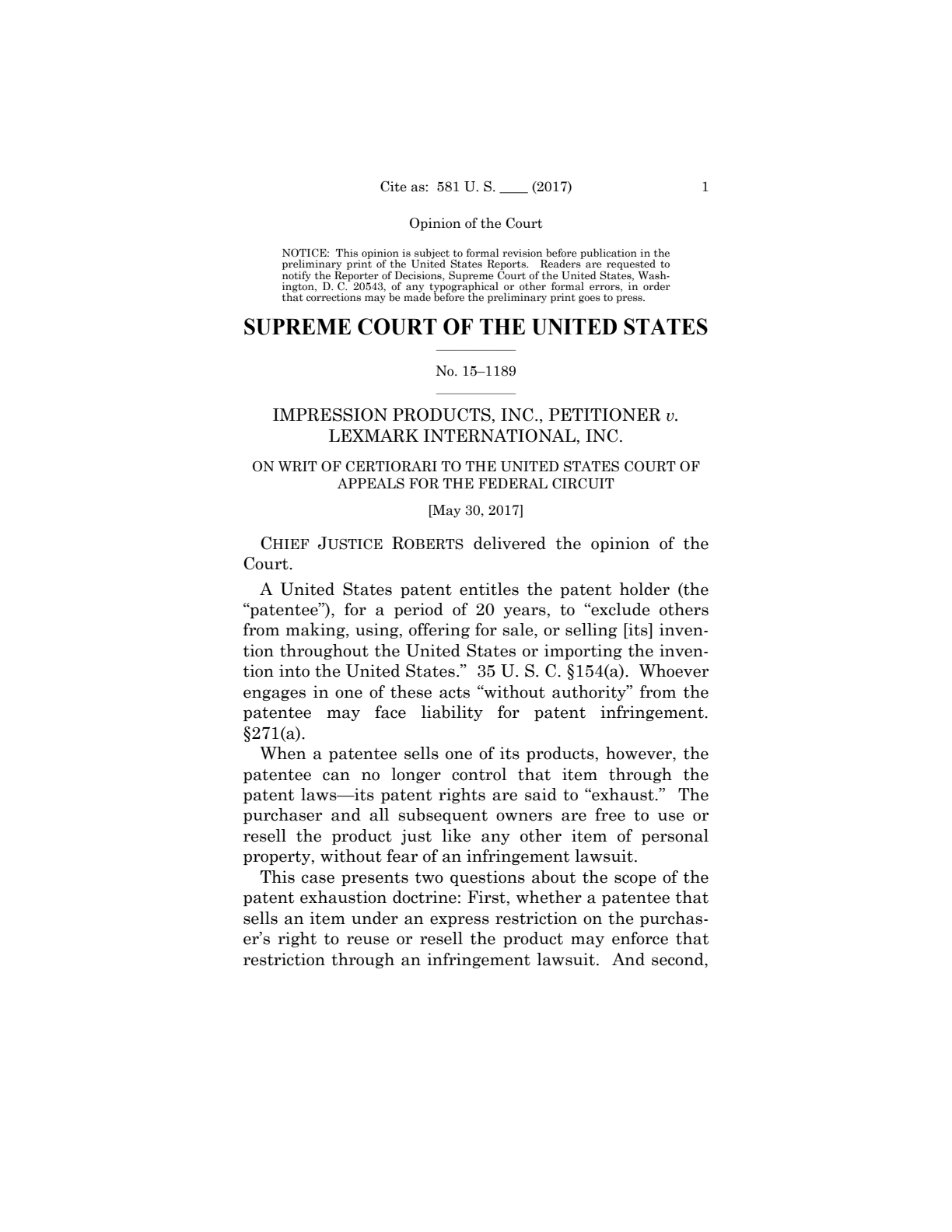
In 2017, the US Supreme Court ruled in Impression Products v. Lexmark International that Lexmark’s authorised sales exhausted its US patent rights in those cartridges, including those sold abroad. Lexmark could not enforce its post-sale restrictions through patent-infringement claims.
Why It Mattered
An empty toner cartridge retained value long after its first supply of ink ran out. The dispute tested whether a manufacturer could use patents to control that second life. The ruling placed a limit on that power: selling a patented item ended patent control over that particular item. Any remaining contractual rights were a separate question, preserving an important distinction for resale and remanufacturing.
From Prebate to Return Program
- The Ninth Circuit records that Lexmark introduced Prebate in 1997 alongside its cartridge-remanufacturing work.
- Lexmark’s October 2002 E321/E323 manual identifies Prebate as a trademark and lists specially priced cartridges whose empties were to be returned only to Lexmark.
- A July 2005 E120 guide uses the Lexmark Return Program name for specially priced return-only toner supplies; the supplied manuals do not establish a formal universal renaming date.
Price, Return and Reuse
- Prebate offered an upfront discount of about US$30 on average, roughly 20 per cent, compared with unrestricted cartridges.
- Remanufacturers acquired used Lexmark cartridges, refilled or refurbished them, and resold them in competition with Lexmark’s products.
- The later Return Program cartridges examined by the Supreme Court used a microchip that prevented reuse after the toner ran out.
The Legal Boundary
- On 30 May 2017, the Supreme Court held that an authorised domestic sale exhausted Lexmark’s patent rights in the sold cartridge.
- The Court distinguished patent law from any enforceable contractual obligations associated with the sale.
- The 2014 Static Control decision concerned standing for a Lanham Act false-advertising claim; it did not determine that Lexmark’s Prebate advertising was false.
Sources & Records
Explains Return Program sale terms, the reuse-preventing microchip and the 2017 patent-exhaustion ruling. Slip pp. 1–18; PDF pp. 5–22.
Lexmark International, Inc. v. Static Control Components, Inc., 572 U.S. 118 (2014)
Describes Prebate’s discount, package notices and chip, and considers Lanham Act standing rather than deciding whether Lexmark advertising was false. Printed pp. 121–123; PDF pp. 207–209.
Lexmark E321/E323 User’s Reference (October 2002)
Records Prebate trademark use, cartridge part numbers and special-price terms requiring empty cartridges to be returned only to Lexmark. Printed p. 77; PDF pp. 75–76.
Lexmark E120/E120n User’s Guide (July 2005)
Documents Return Program terminology by July 2005: specially priced cartridges returned only to Lexmark for recycling, alongside regular alternatives. Printed and PDF p. 74.
Official Ninth Circuit opinion records Prebate’s 1997 introduction and package conditions, then addresses the California advertising claims. Printed pp. 11797–11798, 11804–11807.
Gallery
Credit
Lexmark / Office Depot
Licence
Historical Ephemera
Displayed for commentary, criticism, research and historical documentation where permitted by applicable law. No permission for reuse is granted.
Caption
A Lexmark Return Program cartridge, sold at a discount subject to single-use and return conditions.
Credit
Supreme Court of the United States
Licence
The source records this image as public domain. No copyright licence is required for the photograph; other rights may apply.
Caption
The Supreme Court’s 2017 decision held that Lexmark’s authorised cartridge sales exhausted its patent rights in those cartridges.