EMS toning-belt advertising
The Workout You Could Wear
Forgotten Adverts · 2001–2005
Archived on
Region
United States
Associated With
Federal Trade Commission - consumer-protection regulator
Defining Feature
Claims that a wearable belt could replace abdominal exercise
Status
Ended
Overview
At the turn of the 2000s, television sold abdominal exercise as something you could outsource to a belt.
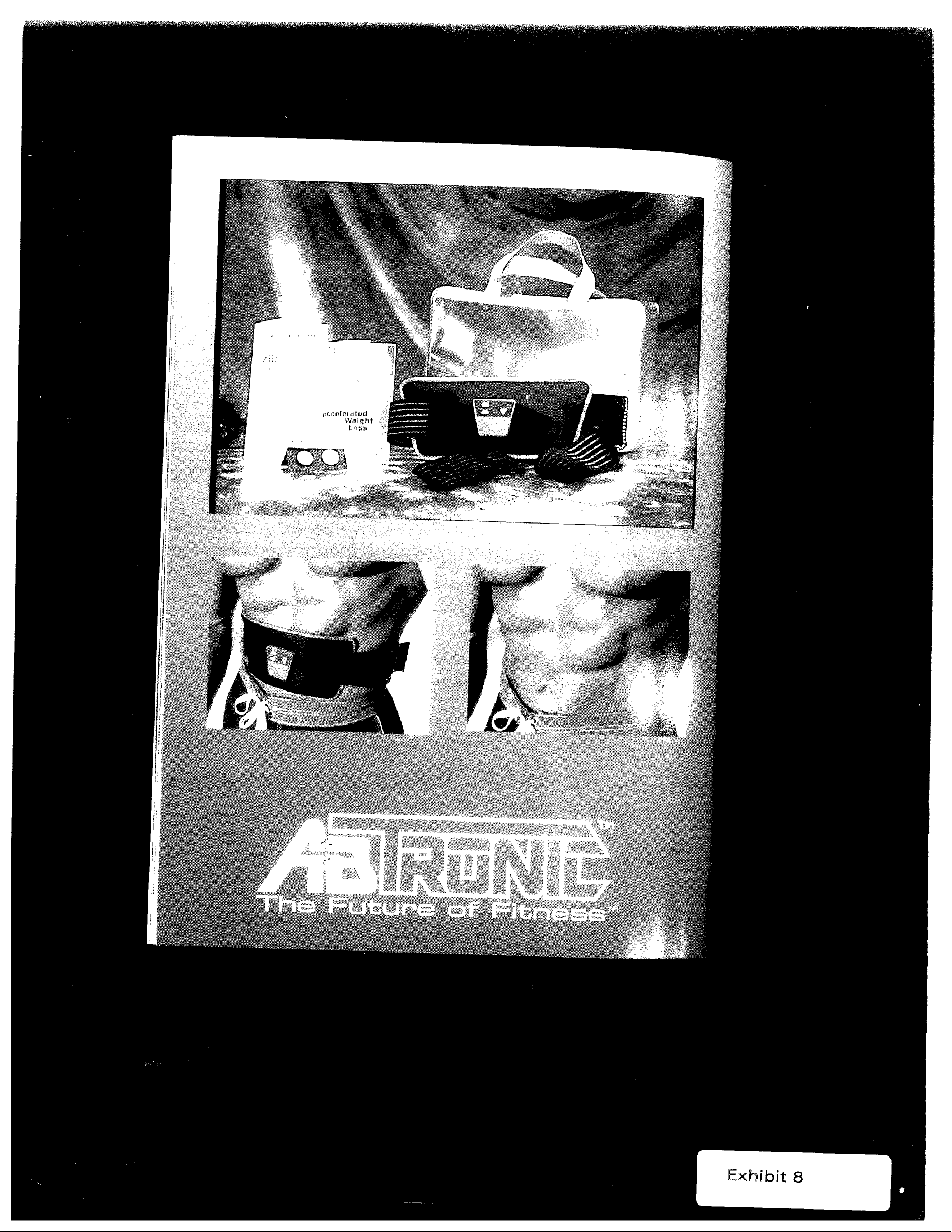
By December 2001, ABC News was reporting on Ab-Energizer, Fast Abs and AbTronic. An AbTronic infomercial promised the results of 600 sit-ups in ten minutes and described wearing the belt while watching television, working, shopping or walking.
On 7 May 2002, the FTC filed separate actions over claims of fat or inch loss, defined abdominal muscles and results equal or superior to exercise. The outcomes differed: Fast Abs marketers entered settlements announced in 2003; AbTronic defendants were permanently enjoined and held jointly and severally liable for $83 million; and AB Energizer reached a settlement in 2005.
Why It Mattered
The adverts did more than exaggerate a gadget. They turned the inconvenience of exercise into the sales problem and the belt into its effortless solution.
That mattered because electrical muscle stimulation itself was not imaginary: FDA regulated EMS devices and described legitimate, limited uses. The FTC cases exposed the gap between that real technology and promises of fat loss, dramatic definition and exercise-equivalent results—a familiar advertising pattern in which a genuine mechanism is stretched into total transformation.
The Effortless-Exercise Pitch
- An AbTronic infomercial repeatedly compared ten minutes of belt use with 600 sit-ups.
- The transcript presented the belt as something to wear while watching television, working, shopping or walking.
- In December 2001, ABC News named Ab-Energizer, Fast Abs and AbTronic among widely seen US television products.
Three Cases, Different Outcomes
- On 7 May 2002, the FTC filed separate federal actions concerning AB Energizer, AbTronic and Fast Abs.
- The complaints challenged claims of fat or inch loss, visibly defined abdominals and results equal or superior to conventional abdominal exercise.
- Fast Abs marketers entered stipulated settlements announced in July 2003 for more than $5 million; the orders were settlements, not admissions of a violation.
- The AbTronic defendants became subject to permanent injunctive provisions and $83 million in joint-and-several liability; AB Energizer reached a later settlement in April 2005.
What EMS Could—and Could Not—Mean
- EMS was a regulated device category; FDA describes many cleared products as intended for prescribed rehabilitation uses.
- FDA distinguishes temporary muscle effects from claims of weight or fat loss.
- A 2002 clearance record for the Ab Belt Pro listed abdominal tone, strengthening and a firmer abdomen—not weight or fat loss.
- The FDA’s March 1995 compliance policy is regulatory context, not a start date for these later advertising campaigns.
Selected Sources
FTC v. Hudson Berkley Corporation et al. — Exhibit 2: AbTronic Infomercial Transcript
7 May 2002 — Source classification: primary. Preserves the AbTronic infomercial’s 600-sit-ups comparison, everyday-use scenes and claims about appearance.
Announced Actions for March 12, 2004
12 March 2004 — Source classification: primary. Records the permanent injunctive provisions and $83 million joint-and-several liability imposed on the AbTronic defendants, described as the value of net US sales.
Publication date not supplied — Source classification: primary. FDA consumer guidance distinguishes the limited uses of cleared EMS devices from claims of weight or fat loss.
Gallery
Credit
Federal Trade Commission case exhibit
Licence
Historical Ephemera
Displayed for commentary, criticism, research and historical documentation where permitted by applicable law. No permission for reuse is granted.
Caption
An FTC-preserved AbTronic exhibit showed the belt beside before-and-after-style abdominal imagery.